I grew up in a house where the radio was always tuned to a baseball game. My grandfather — a Korean War vet — would sit on the porch with a glass of lemonade and listen to the play-by-play like it was scripture. He didn't need to see the game. He could hear the crack of the bat, the roar of the crowd, and he'd tell me exactly what happened before the announcer finished his sentence. That's baseball. It lives in your bones.
More Than a Game
People call baseball "America's Pastime" like it's a quaint old nickname. It's not. It's a statement of fact. Baseball has been woven into the fabric of this country since before the Civil War. It's been played in every small town, every big city, every military base around the world. When American soldiers were stationed overseas — from World War II to Desert Storm to my own time in service — they played baseball. They set up makeshift diamonds in the sand, used whatever they had for bases, and for nine innings, they were home.
That's what baseball does. It brings you home. It doesn't matter where you are or what you're going through — when you hear the crack of a bat or smell fresh-cut grass on a warm evening, something in your chest loosens up. The world gets a little smaller, a little kinder.
"Baseball is the only field of endeavor where a man can succeed three times out of ten and be considered a good performer."
— Ted Williams
The Game That Built Communities
Before there was television, before there was the internet, there was the local ballpark. Every town in America had one. Friday night wasn't about scrolling through your phone — it was about showing up, sitting in the bleachers with your neighbors, and watching the local team play. You'd buy a hot dog, a bag of peanuts, and you'd talk to the person next to you. Not because you had to, but because that's what you did.
Baseball built communities the way nothing else could. It gave people a reason to gather, a reason to cheer together, a reason to argue about something that didn't actually matter — and that's exactly why it mattered so much. In a world full of real problems, baseball gave us permission to care deeply about something joyful.
I think about that a lot now. We've lost some of those gathering places. We've lost some of those rituals. But baseball is still there. Every spring, without fail, the season starts again. The grass gets mowed, the chalk lines go down, and for six months, we have something to believe in together.
The Negro Leagues: America's Unfinished Story
You cannot tell the story of baseball in America without telling the story of the Negro Leagues. And for too long, that story was treated as a footnote — a sidebar to the "real" history. That's wrong. The Negro Leagues weren't a lesser version of baseball. They were baseball at its purest, played by some of the greatest athletes who ever lived, in front of communities that needed heroes and found them.
Satchel Paige could throw a ball through a hole in a fence from 60 feet away. Josh Gibson hit nearly 800 home runs in his career — more than anyone in any league, anywhere. Cool Papa Bell was so fast they said he could turn off the light switch and be in bed before the room went dark. These weren't myths. These were real men who played real baseball at the highest level, and they did it while being denied entry to the Major Leagues solely because of the color of their skin.
The Kansas City Monarchs. The Homestead Grays. The Pittsburgh Crawfords. The Indianapolis Clowns. These teams barnstormed across America, playing in front of packed crowds in cities that the Major Leagues ignored. They built their own stadiums, their own fan bases, their own legends. And when Jackie Robinson finally broke the color barrier in 1947, he didn't come from nowhere — he came from the Kansas City Monarchs. The Negro Leagues didn't just produce great players. They produced the courage that changed America.
Negro Leagues: By the Numbers
1920
NNL Founded
~800
Josh Gibson HRs
35+
Hall of Famers
1947
Barrier Broken
Baseball and the Military
Here's something most people don't know: baseball and the military have been connected since the very beginning. During the Civil War, soldiers on both sides played baseball in camp. It was one of the few things Union and Confederate troops had in common. By World War I, the military was using baseball as a morale builder and a recruitment tool. By World War II, more than 500 Major Leaguers served in the armed forces — including Ted Williams, who flew combat missions in both WWII and Korea.
When I was in service, we played softball on base whenever we could. It wasn't organized. It wasn't pretty. But it was ours. For a couple of hours, we weren't soldiers — we were just guys trying to hit a ball and talk trash. That's the gift baseball gives you. It strips everything else away and just lets you play.
Today, every Major League team has military appreciation nights. They honor veterans between innings. They fly the flag. But the real connection goes deeper than ceremony. Baseball teaches you the same things the military does: patience, discipline, teamwork, and the understanding that failure is part of the process. You're going to strike out. You're going to make errors. The question is whether you show up for the next at-bat.
Why I Make Baseball Mocktails
When I started this site, I knew I wanted to create drinks that told stories. Baseball gives me endless stories to tell. Every city has a team. Every team has a history. Every ballpark has a flavor — literally. The garlic fries in San Francisco. The Dodger Dogs in LA. The barbecue in Kansas City. The deep-dish in Chicago.
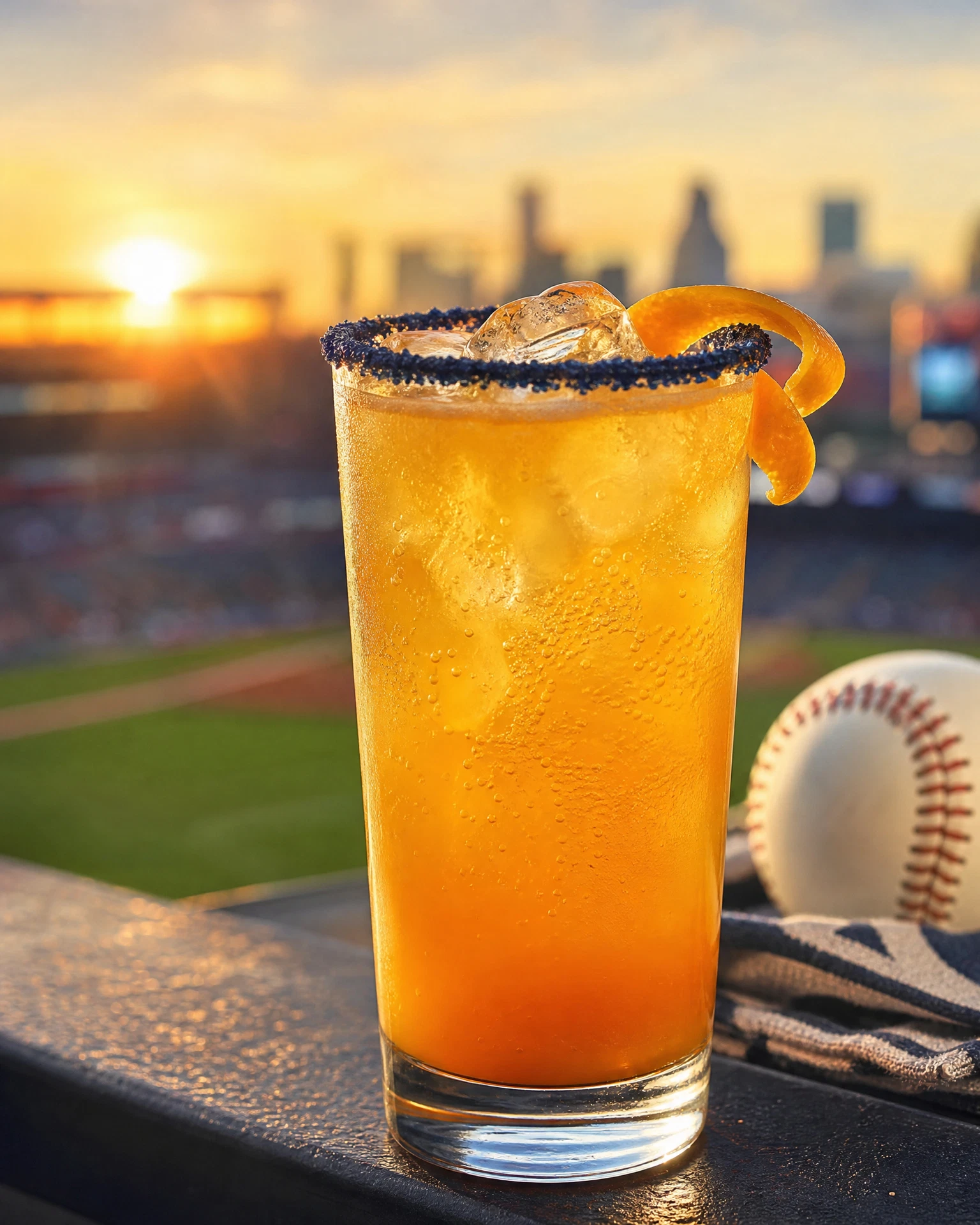
My MLB Mocktails series takes those flavors and turns them into drinks you can enjoy at home while watching the game. No alcohol needed. Just good ingredients, a little creativity, and the same sense of occasion that makes baseball special.
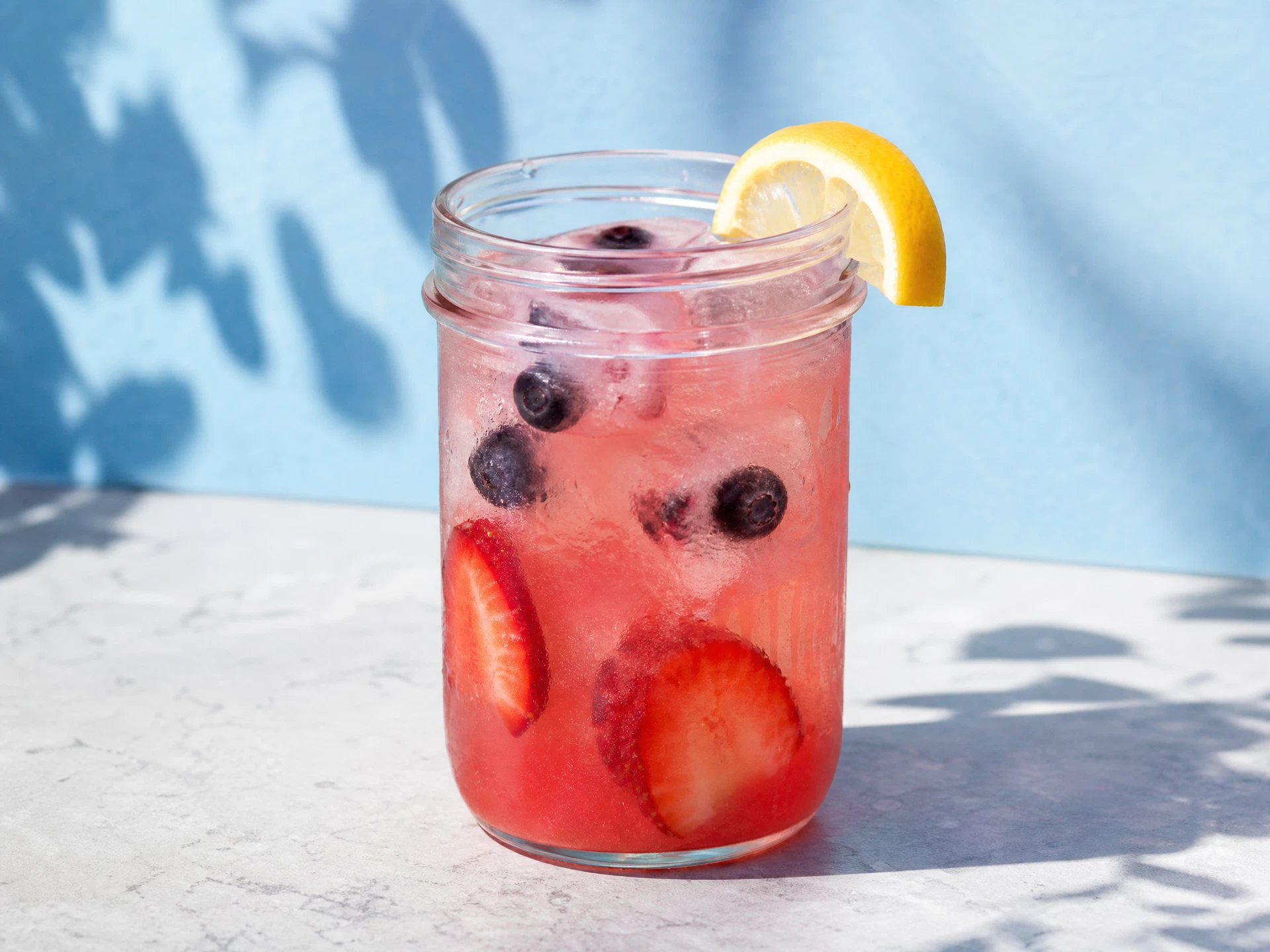
And now I've created something I'm especially proud of: The Legacy Lemonade, a Negro Leagues Tribute Mocktail. It's a drink that honors the history, the players, and the communities that made baseball what it is today. The gold represents the Kansas City Monarchs. The blue represents the Homestead Grays. And the lemonade? That's for every grandmother who sold cups of it in the stands at Negro League games, keeping the tradition alive one sip at a time.
"Don't look back. Something might be gaining on you."
— Satchel Paige
The Future of the Game
People say baseball is dying. I don't believe that for a second. The game is changing — pitch clocks, bigger bases, rule adjustments — but the soul of it is the same as it was in 1869. A pitcher throws. A batter swings. And for one perfect moment, everything else disappears.
Baseball will survive because it's not just entertainment. It's ritual. It's the sound of summer. It's fathers and sons, mothers and daughters, sitting together and sharing something that connects them to every generation that came before. You can't kill that. You can only pass it on.
So the next time you're watching a game — whether it's the World Series or a Little League game in your neighborhood — pour yourself something special. Make it with intention. Make it beautiful. And raise your glass to the game that made America feel like home.
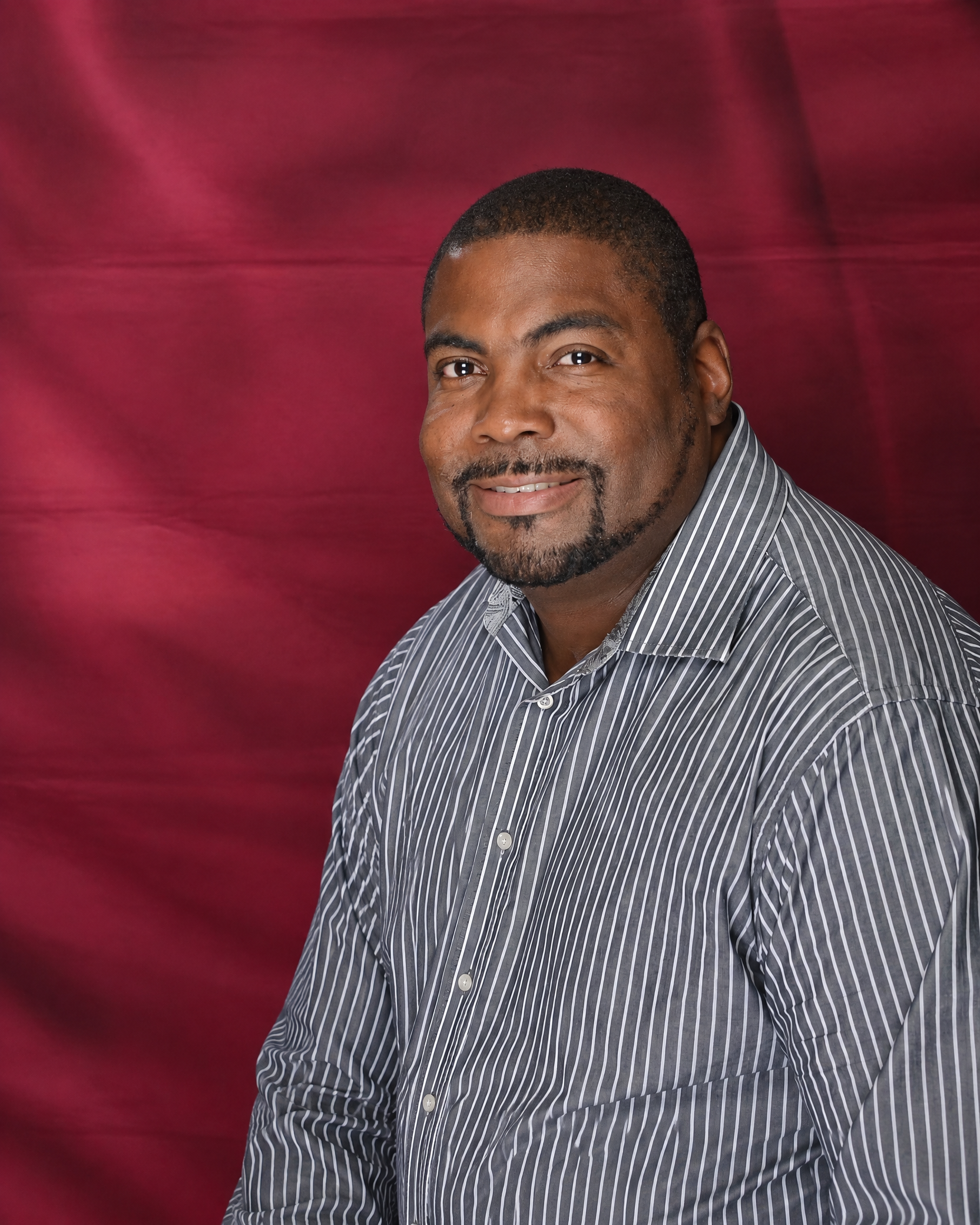
— Larry Leo, Disabled Veteran & Founder of Mocktail Recipes