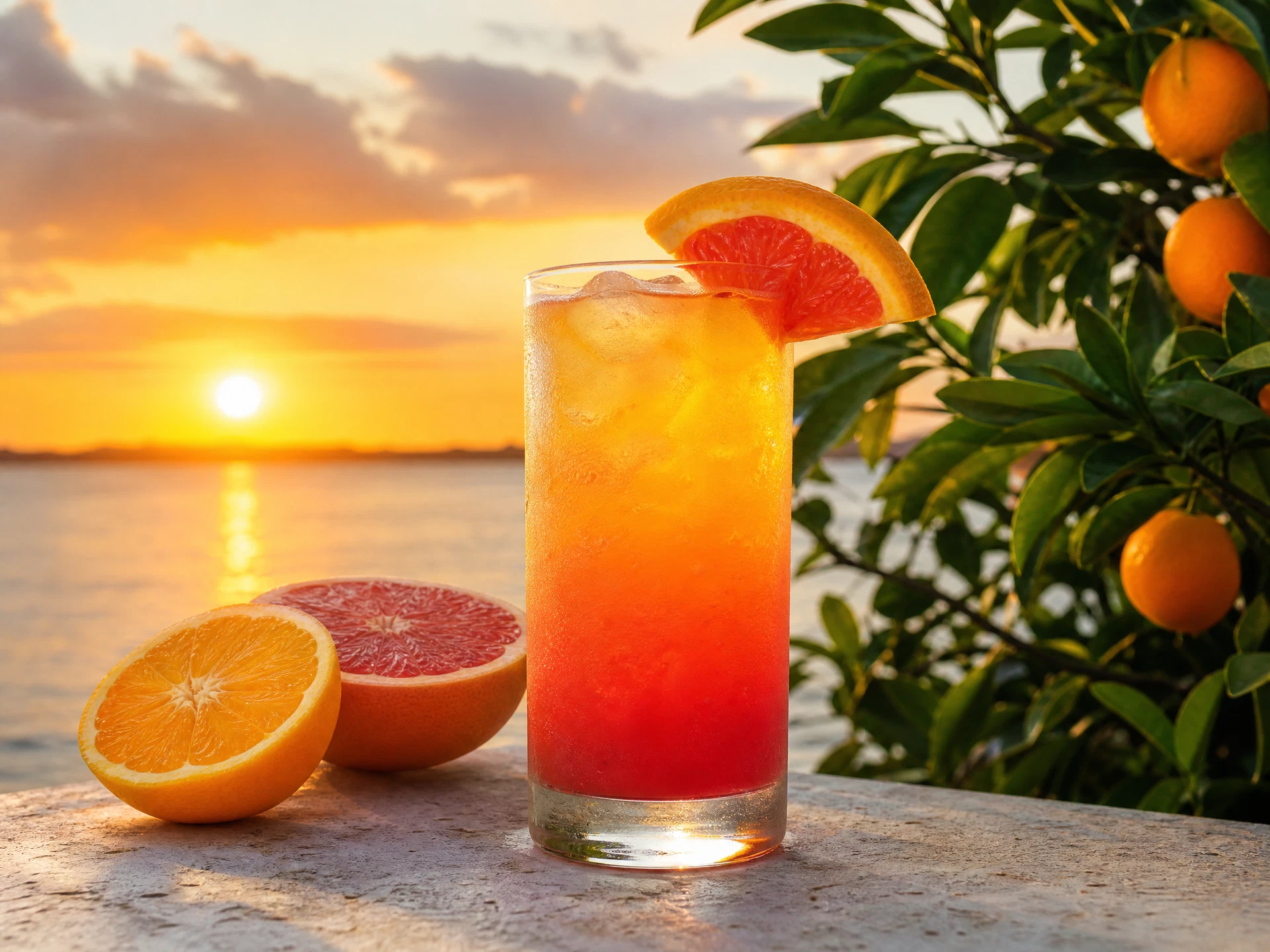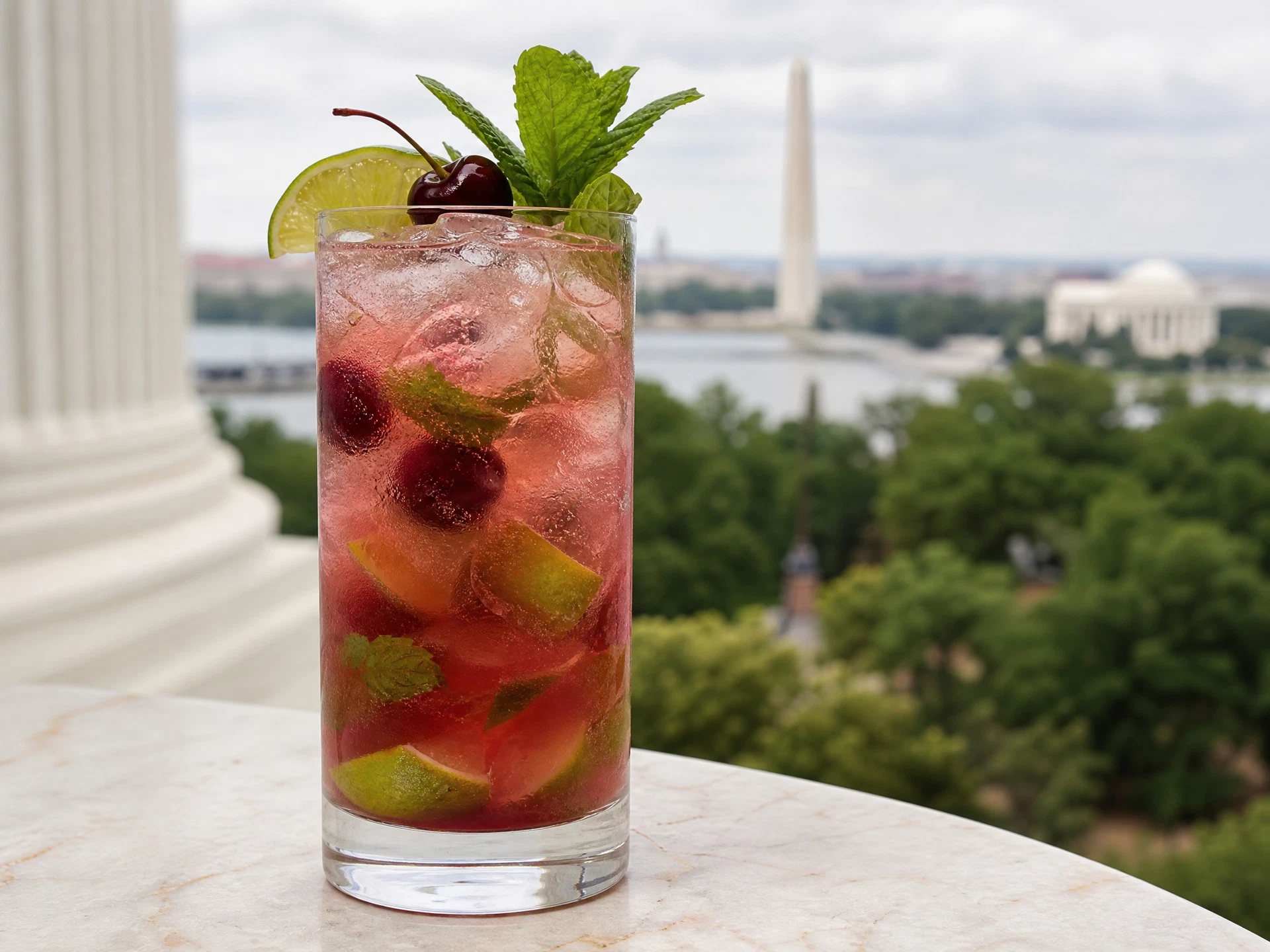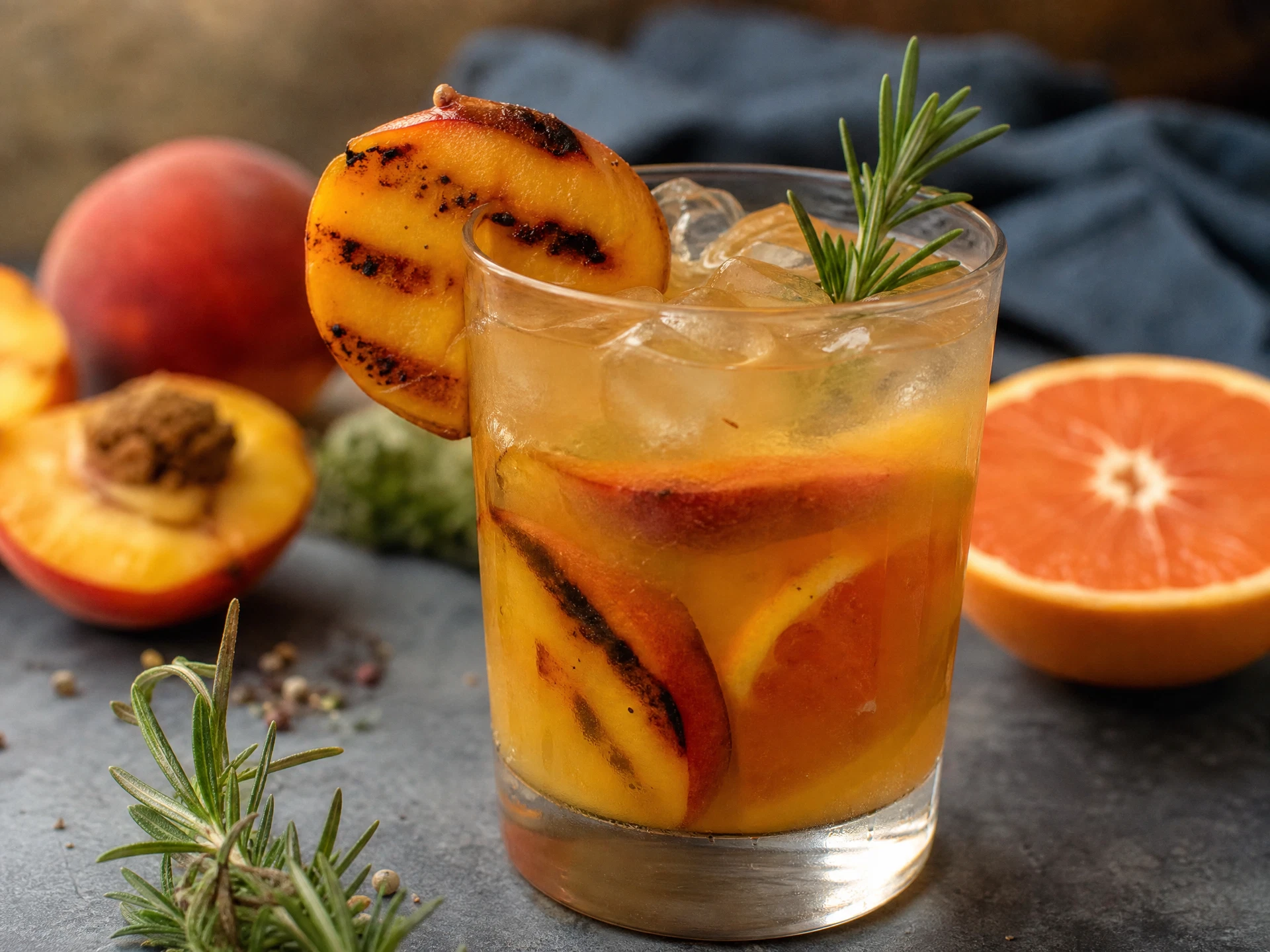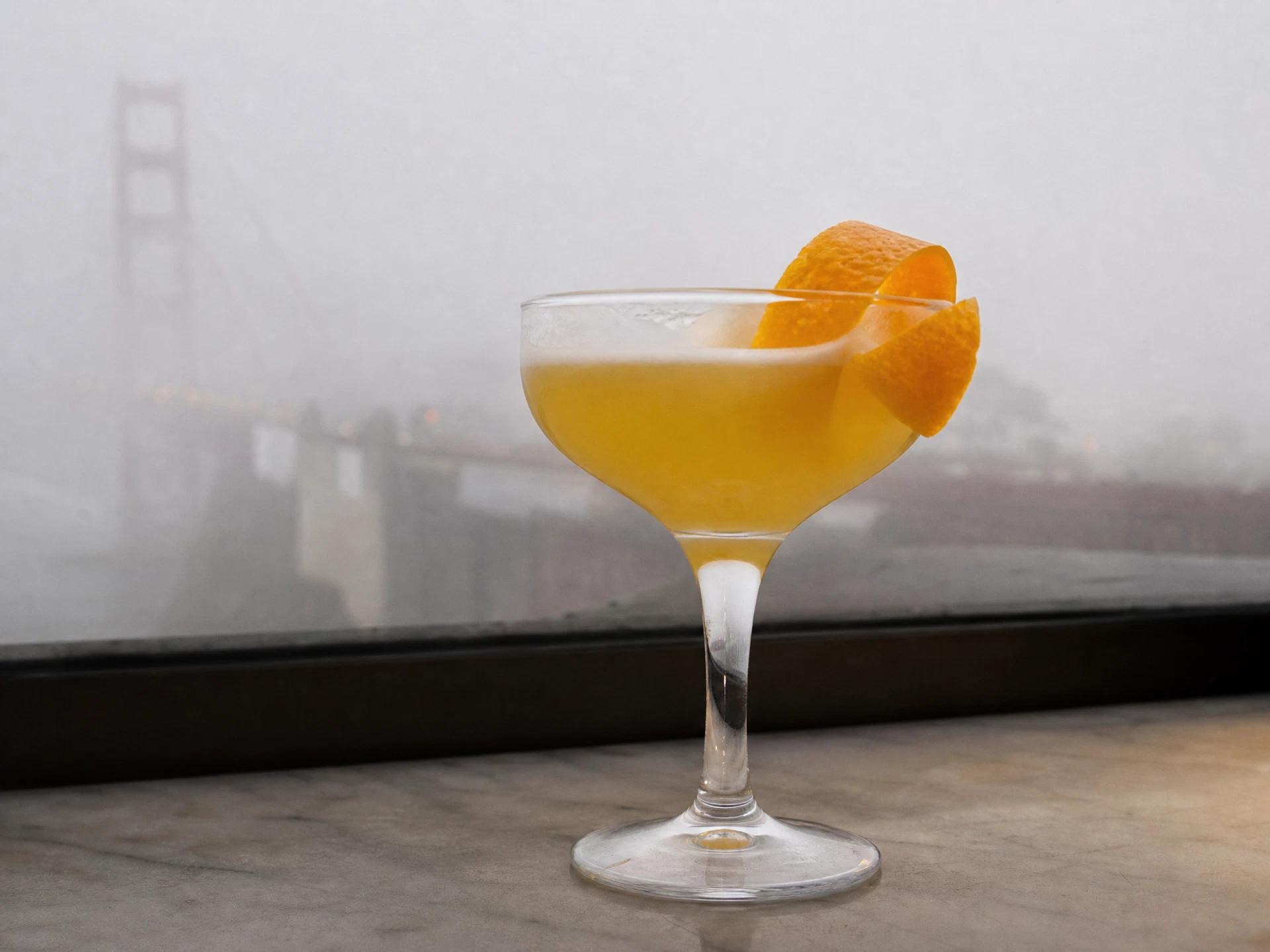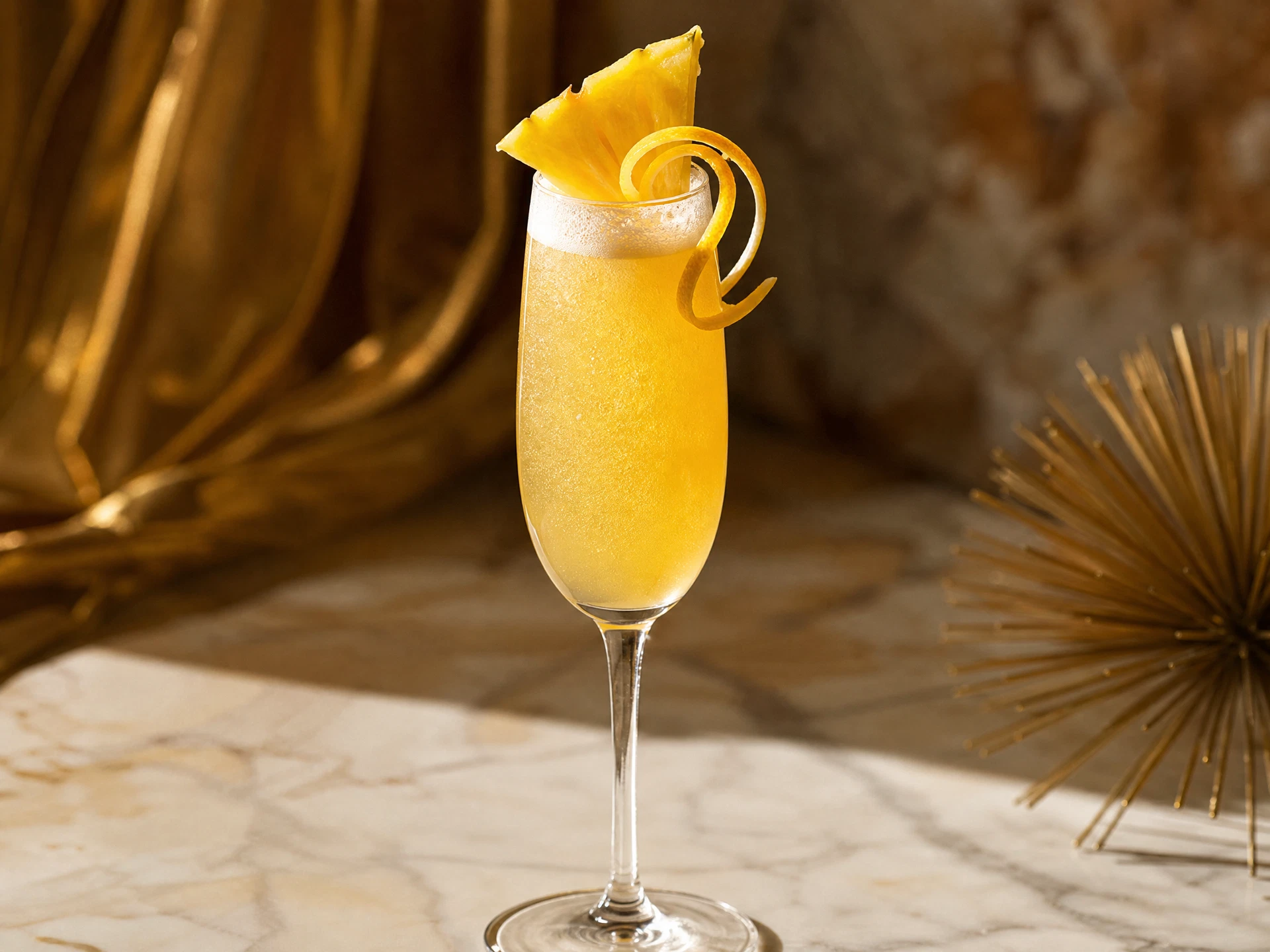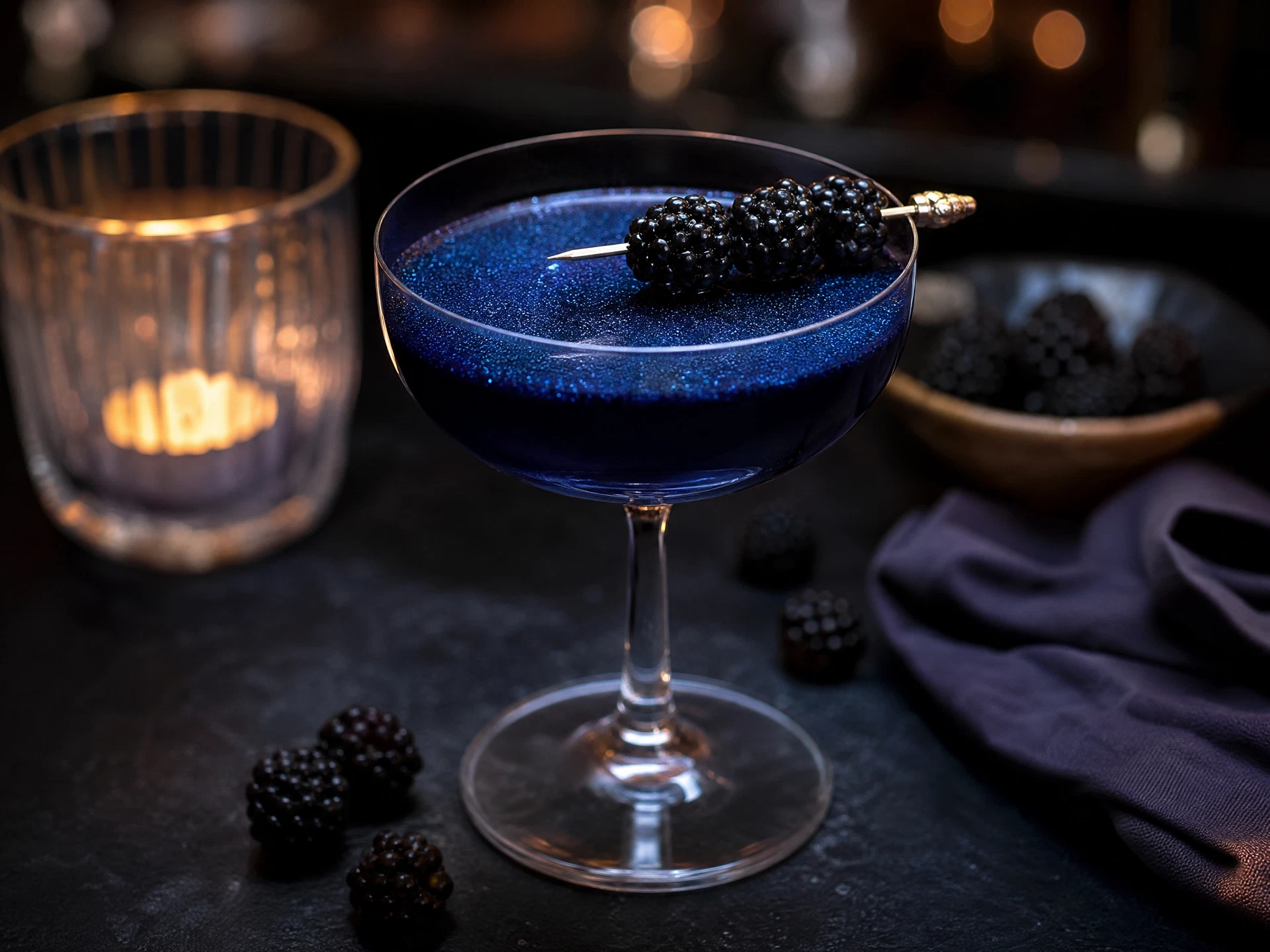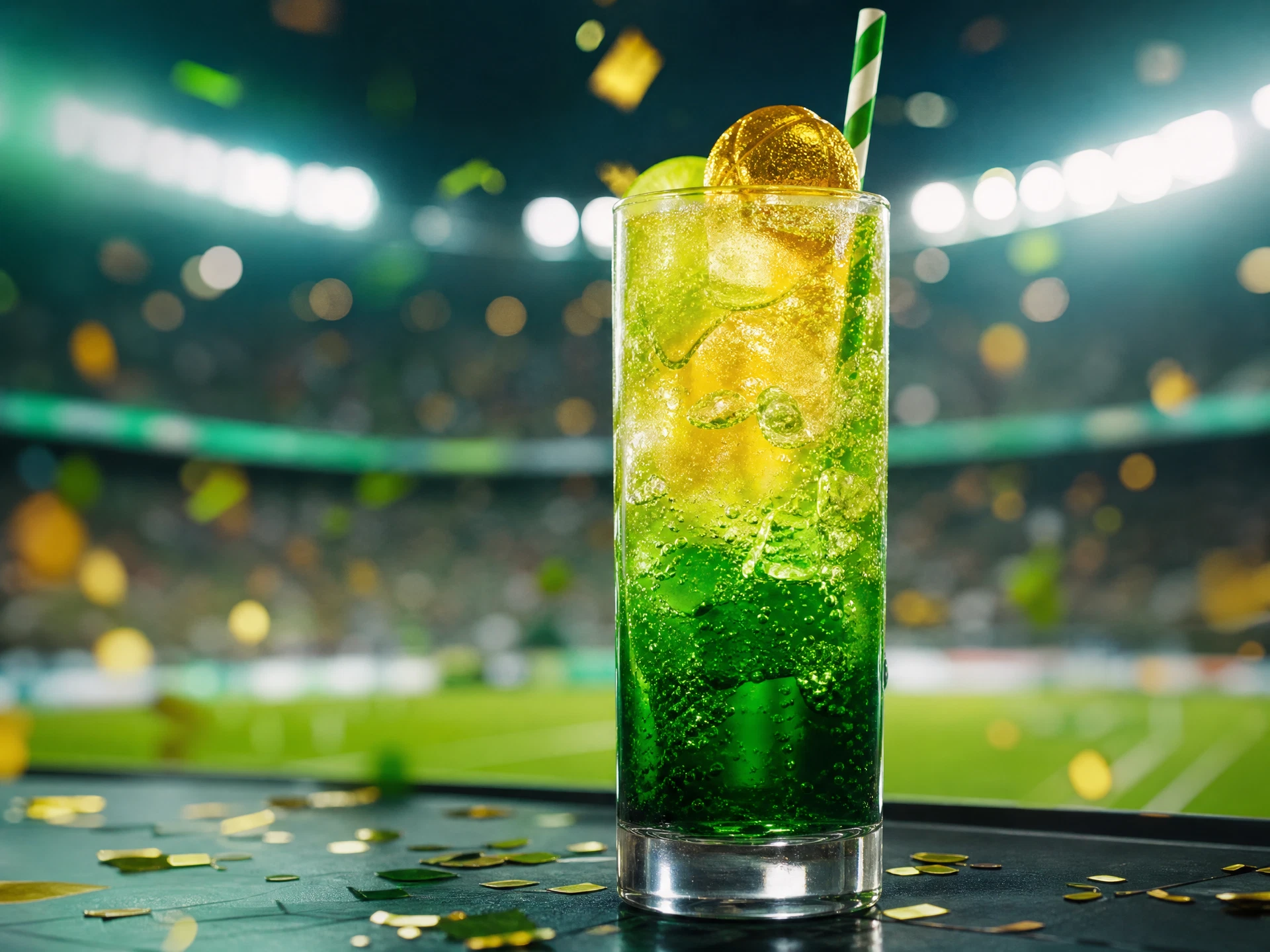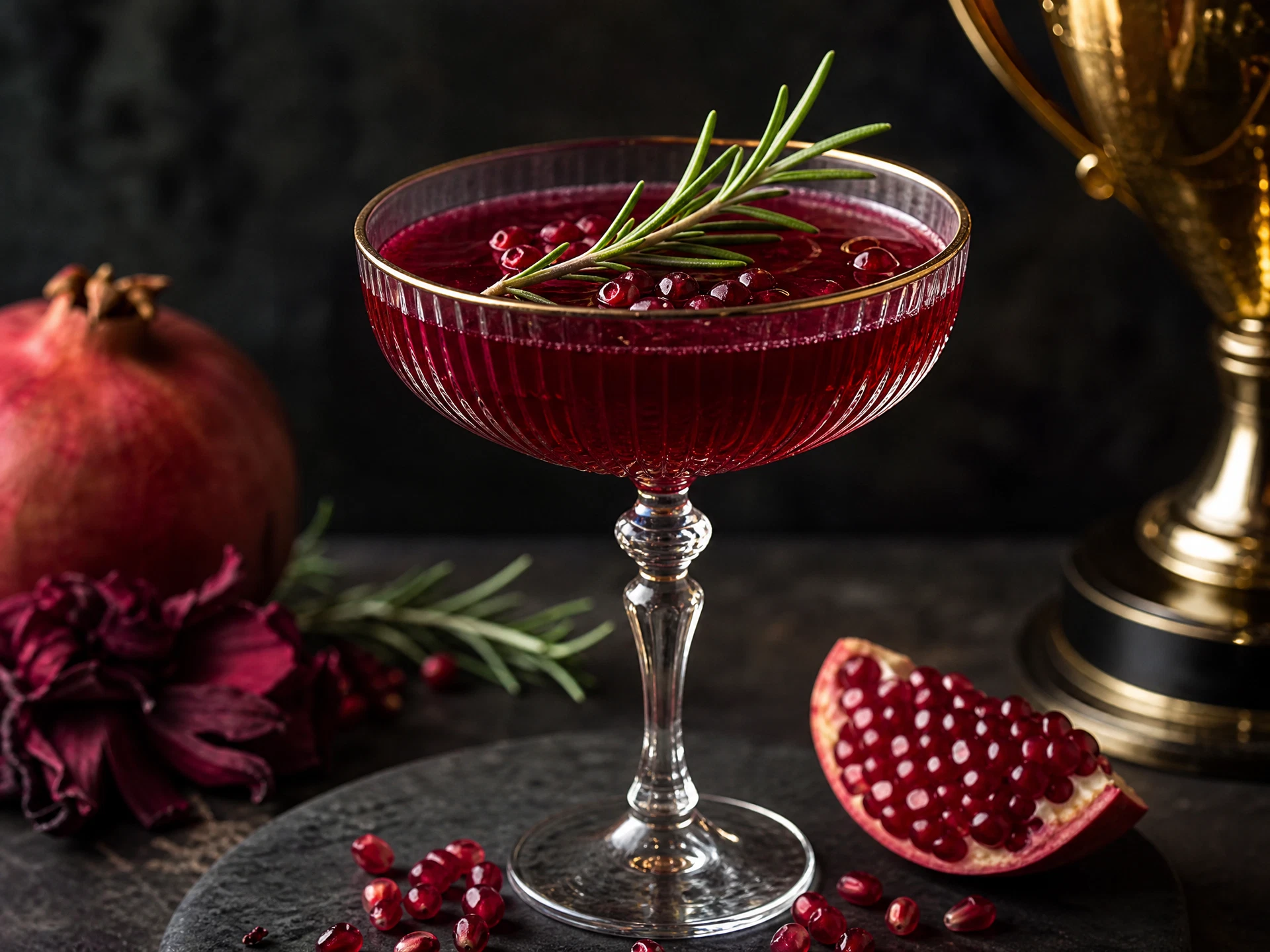
On June 11, 2026, the FIFA World Cup kicks off in North America — and nothing about it is ordinary. This is the first World Cup held in the United States since 1994. The first ever with 48 teams. The first co-hosted by three nations (USA, Mexico, and Canada). And the first time the tournament final will be played at MetLife Stadium in New Jersey, with over 80,000 fans watching the biggest game on Earth.
Why This World Cup is Different
Every World Cup is special, but 2026 rewrites the record books before a single ball is kicked. Here's what makes it historic:
By the Numbers
48
Teams
16
Host Cities
3
Countries
104
Matches
The Expansion to 48 Teams
Previous World Cups featured 32 teams. The 2026 edition expands to 48 — meaning more nations, more stories, more underdogs, and more reasons to celebrate. Countries like New Zealand, Saudi Arabia, and several African nations are getting their first World Cup appearance in decades. For many fans, this is the first time they'll see their country on the world's biggest stage.
Three Nations, One Tournament
The United States hosts 11 cities (including the Final in New Jersey), Mexico hosts 3 (Guadalajara, Mexico City, Monterrey), and Canada hosts 2 (Toronto, Vancouver). It's the first tri-nation World Cup in history, and it spans an entire continent — from Vancouver's Pacific coast to Miami's tropical shores.
The US Host Cities
New York/New Jersey (Final)
Los Angeles
Dallas
Miami
Atlanta
Houston
Philadelphia
Seattle
San Francisco
Kansas City
Boston
Why I Created 48 Mocktails for This
As a veteran who's traveled the world, I know what it means when the world comes to your doorstep. The 2026 World Cup isn't just a soccer tournament — it's a celebration of every culture, every tradition, and every flavor that makes each nation unique. I wanted to honor that.
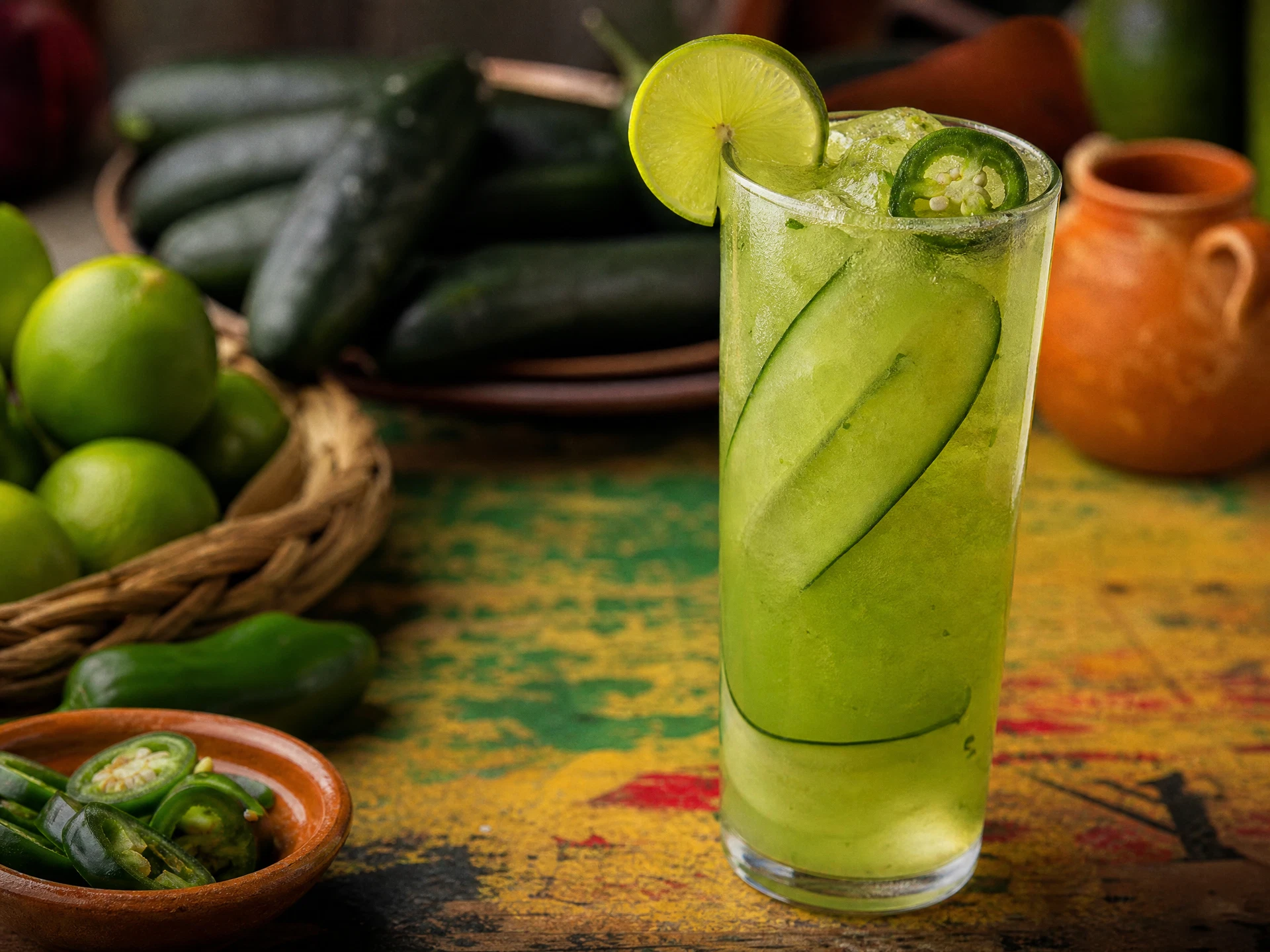
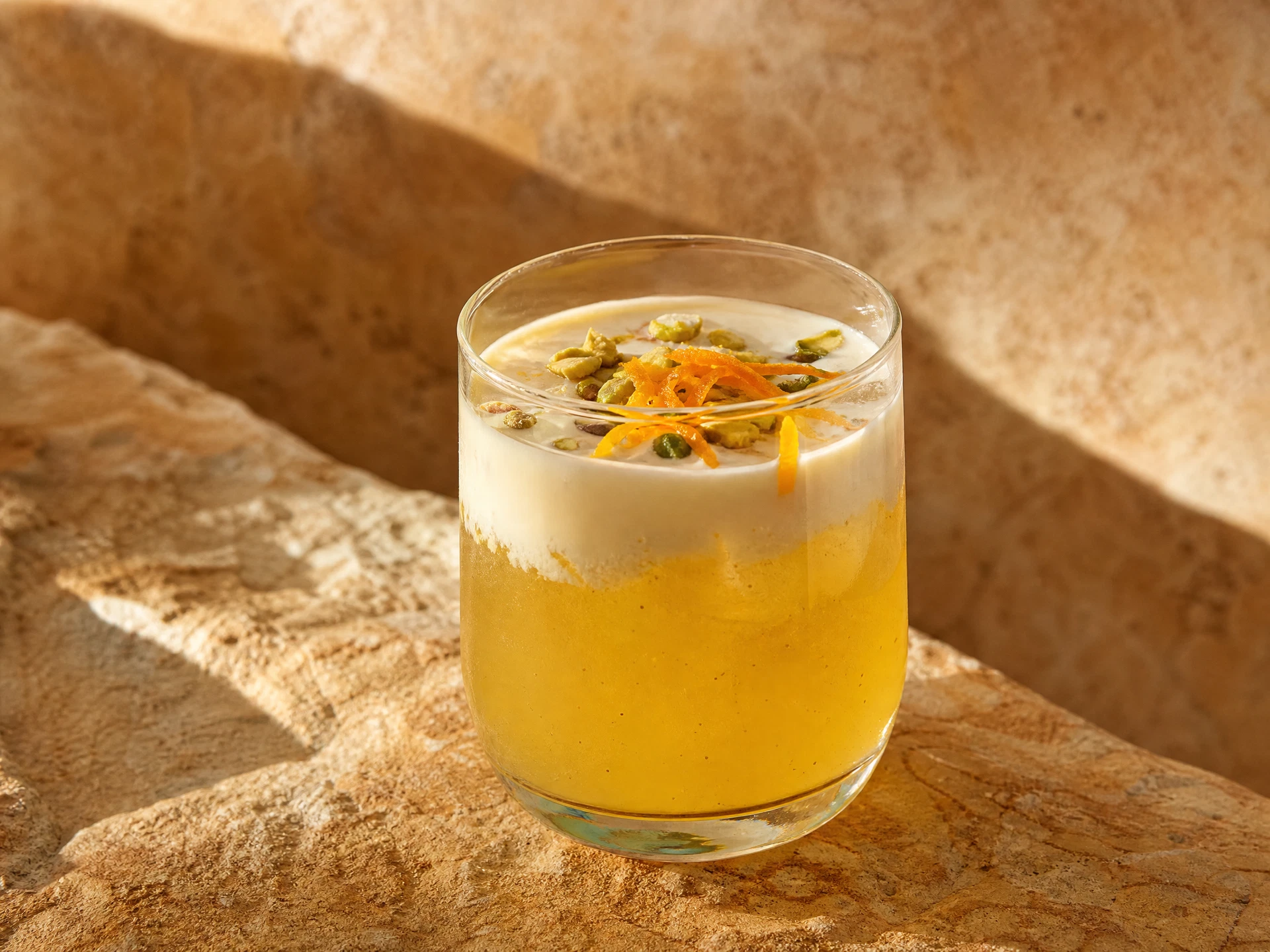
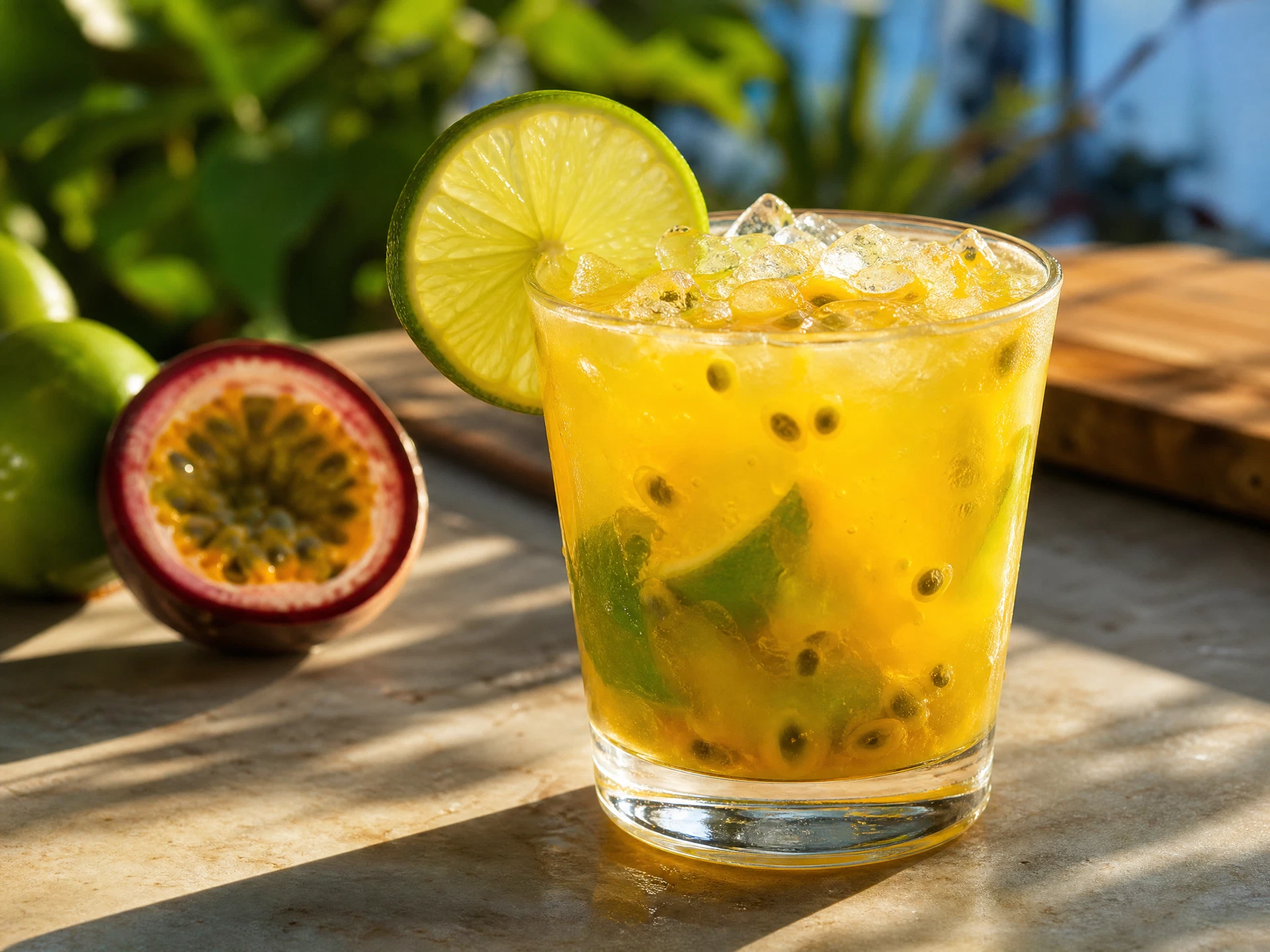
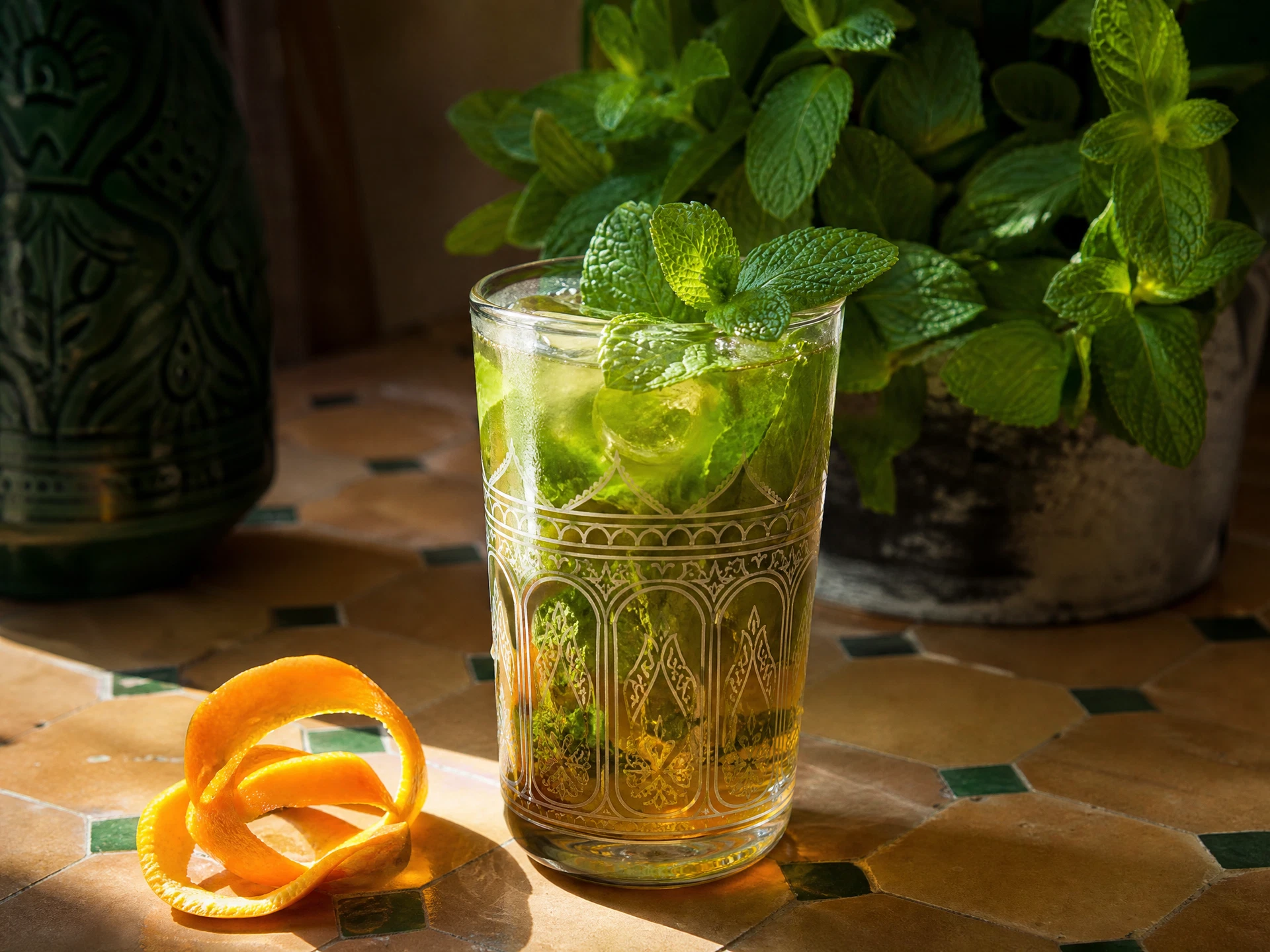
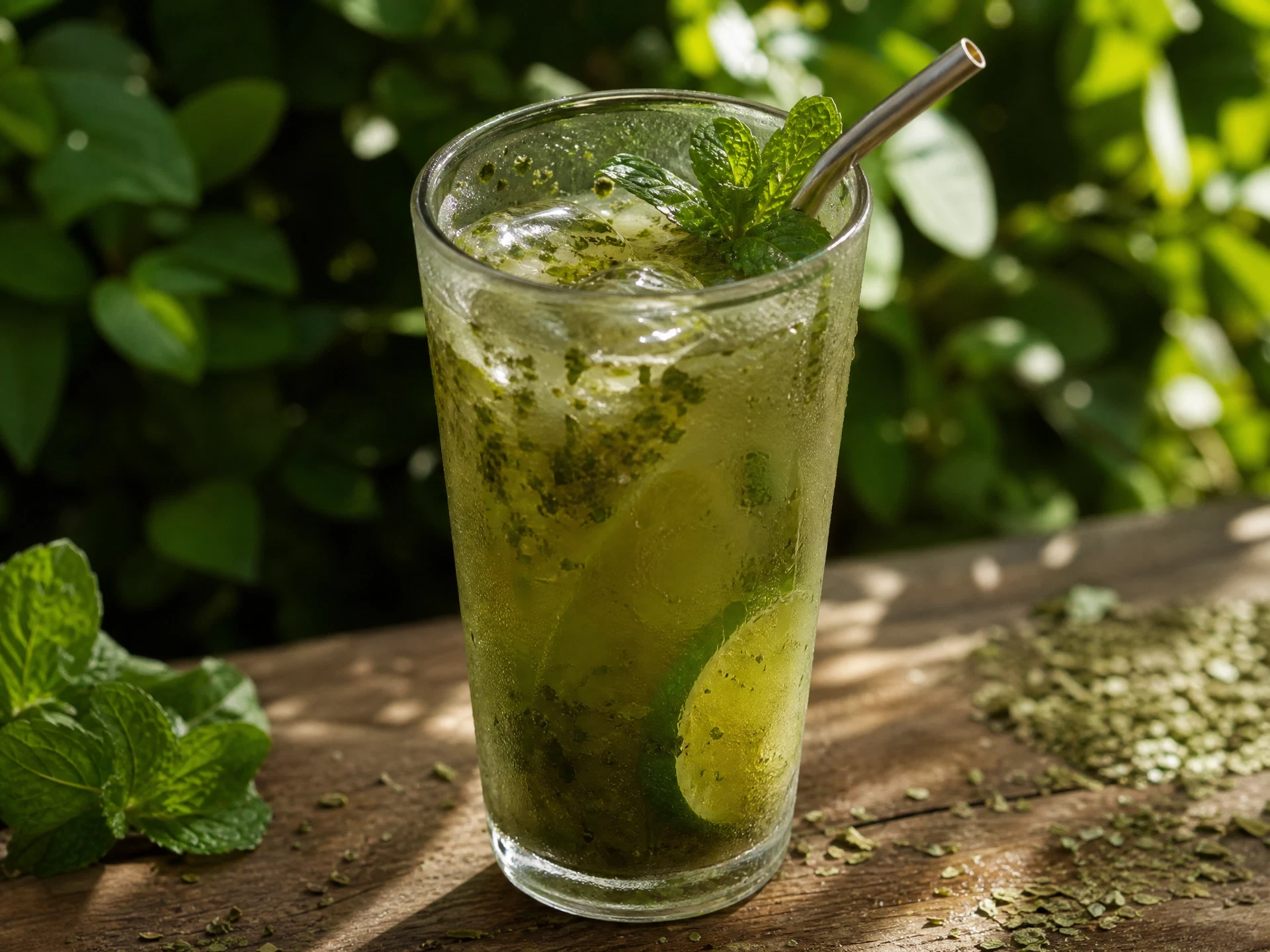
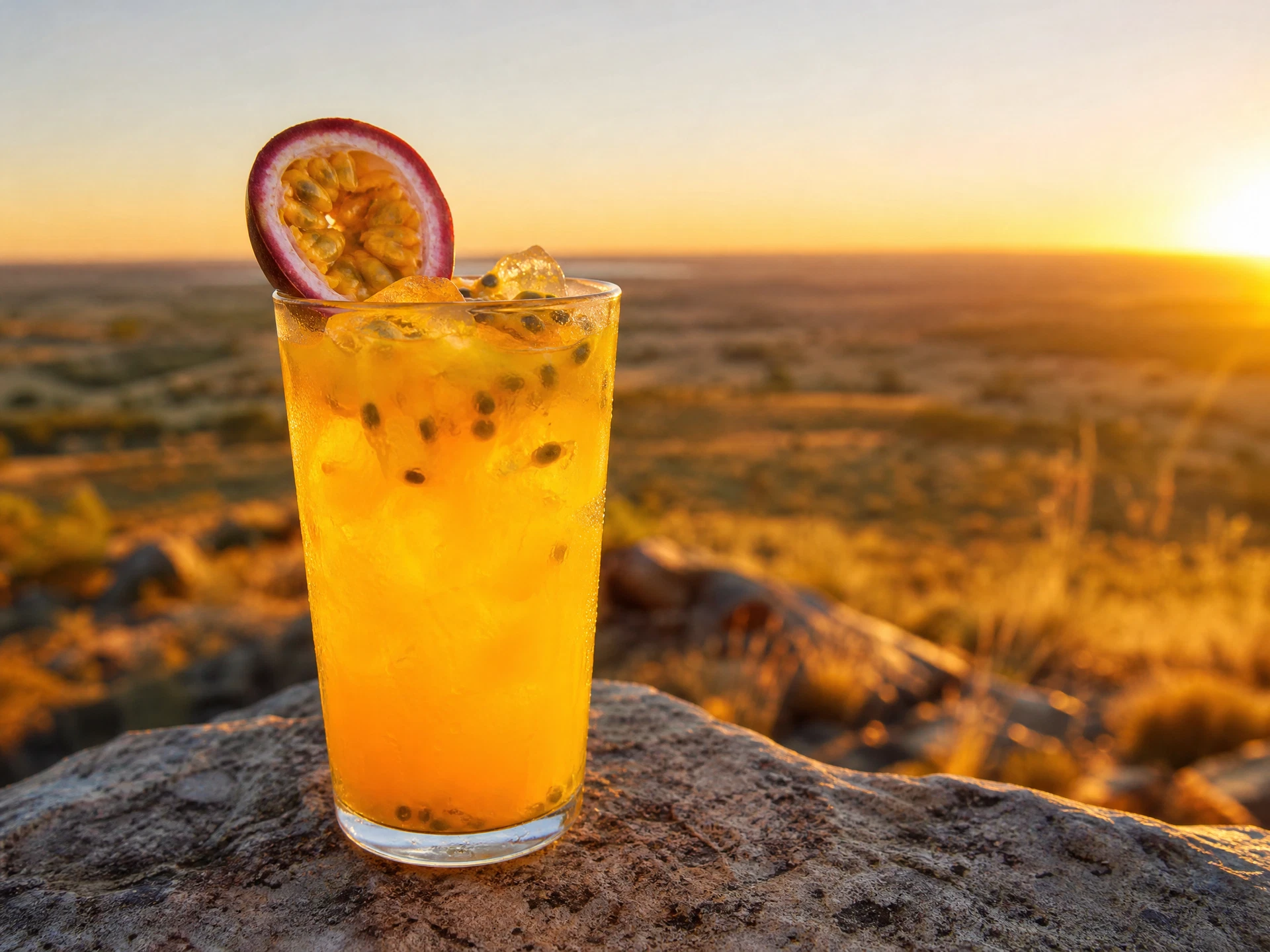
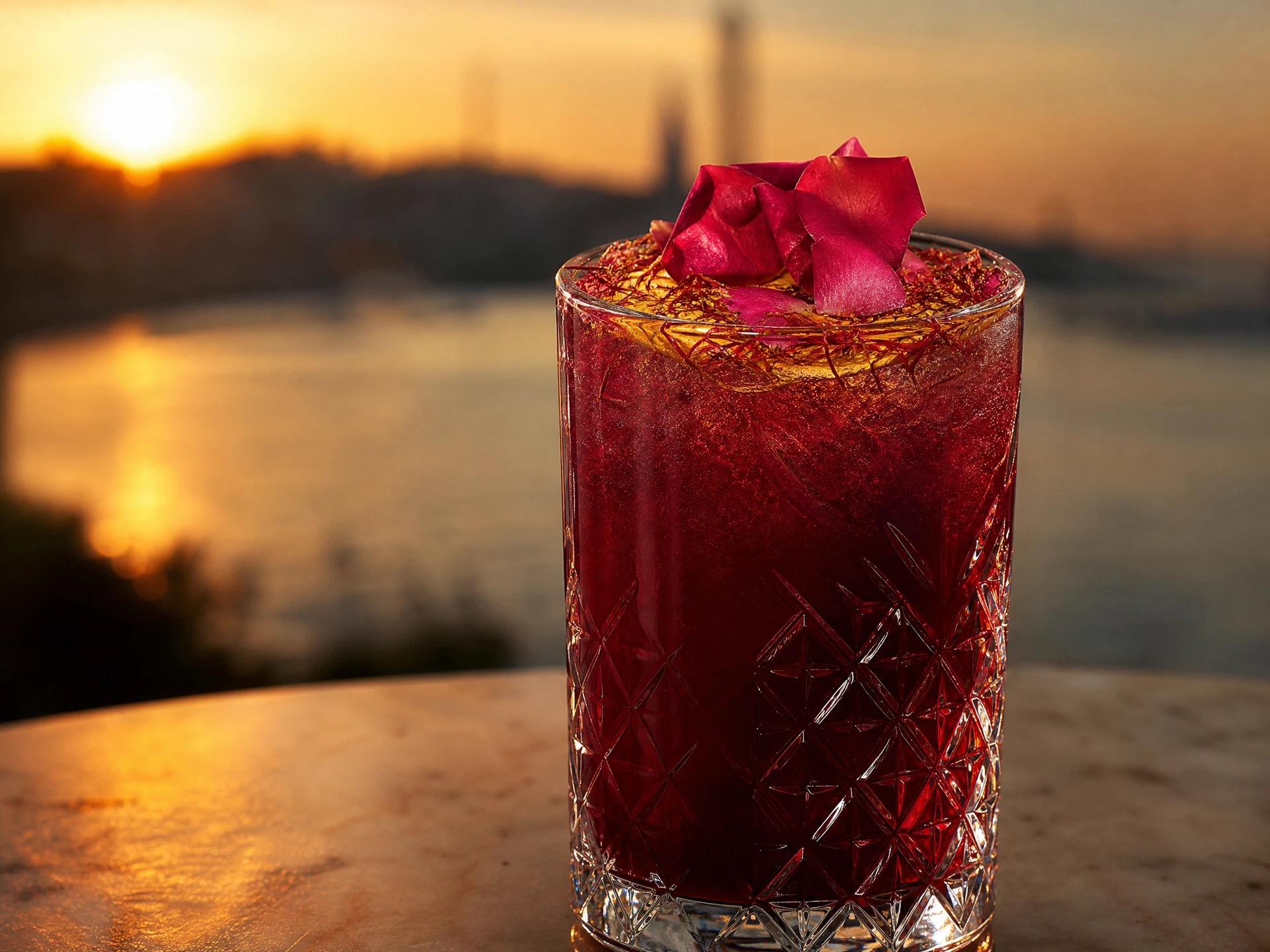
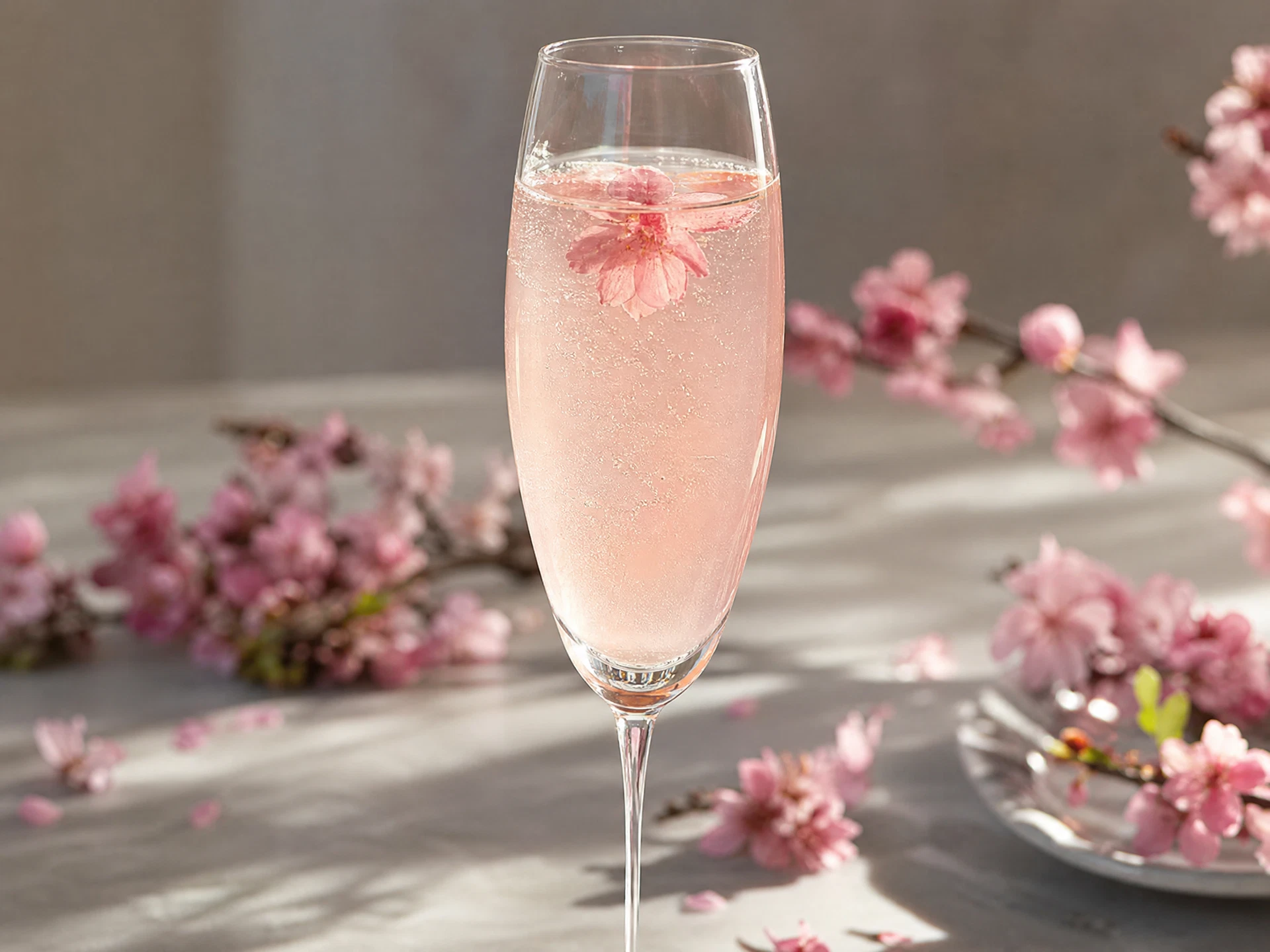
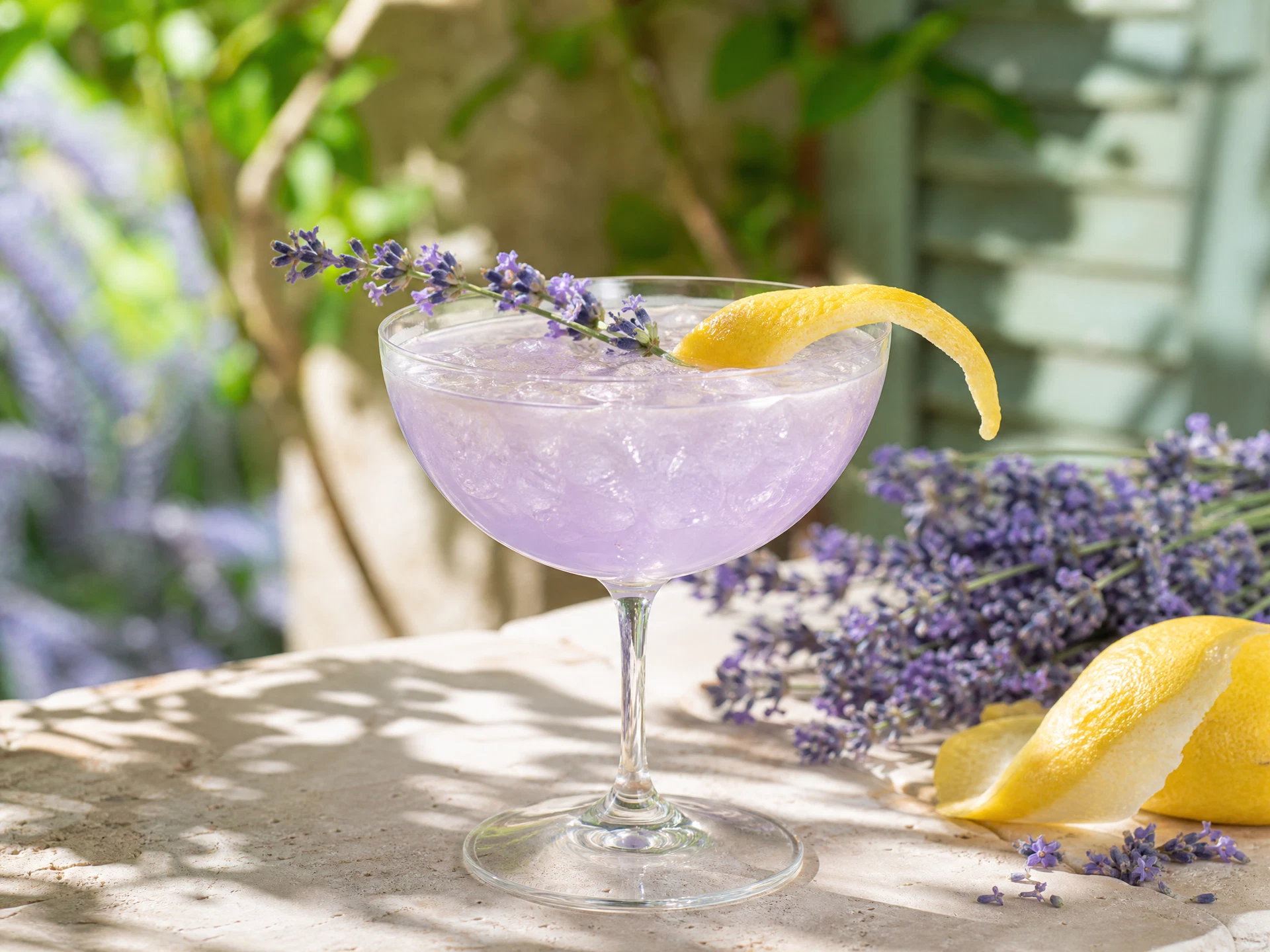
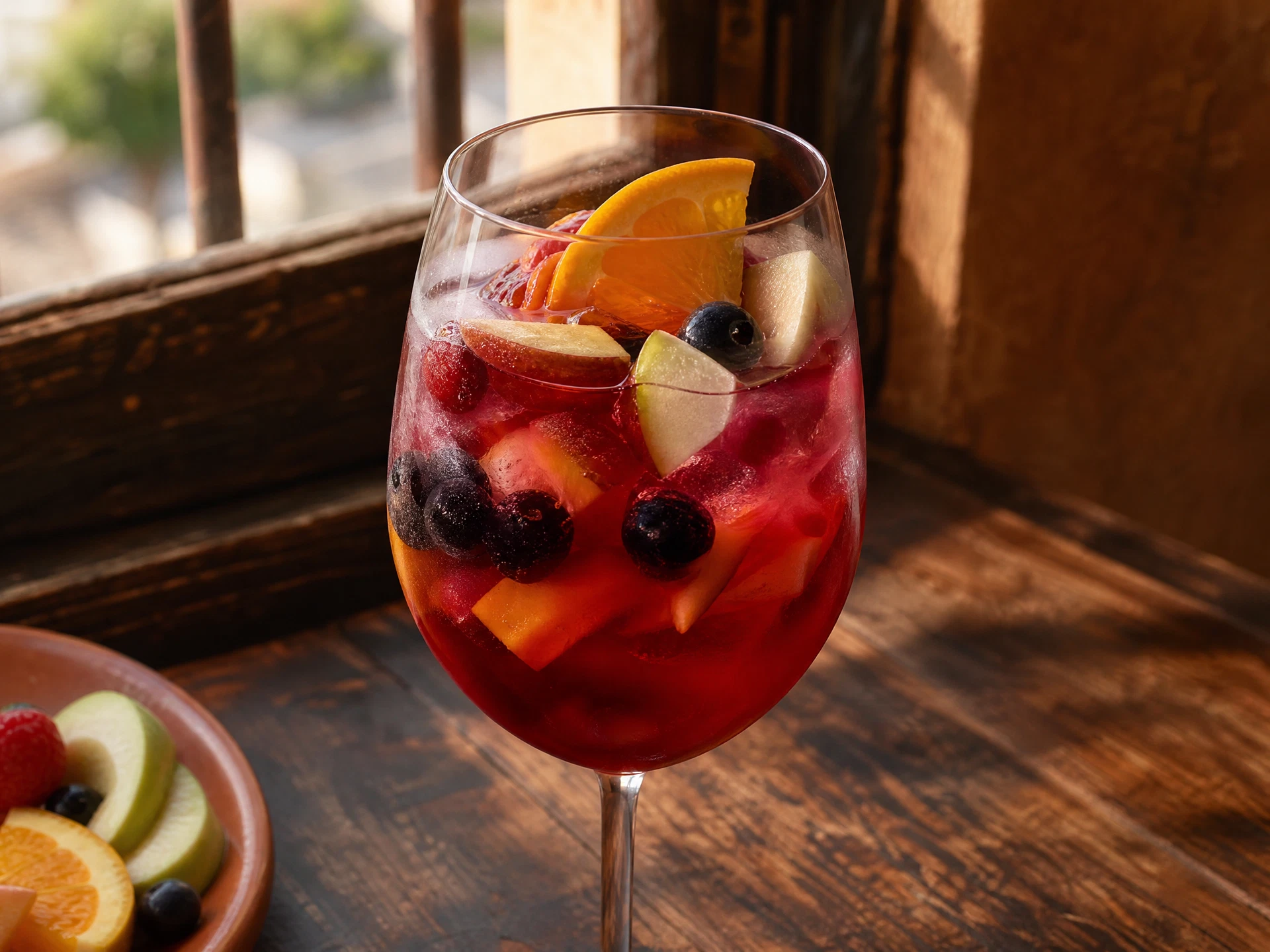
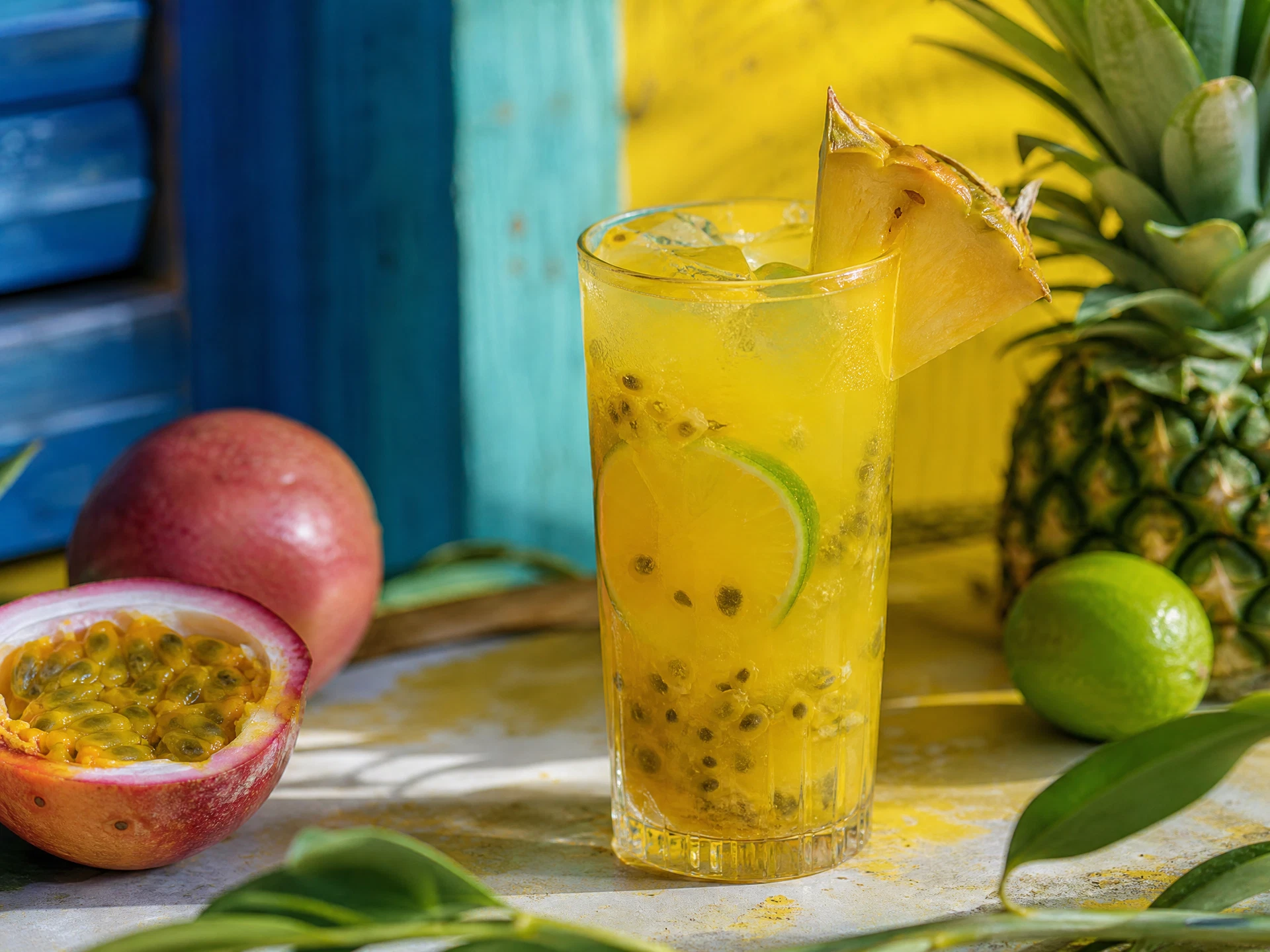
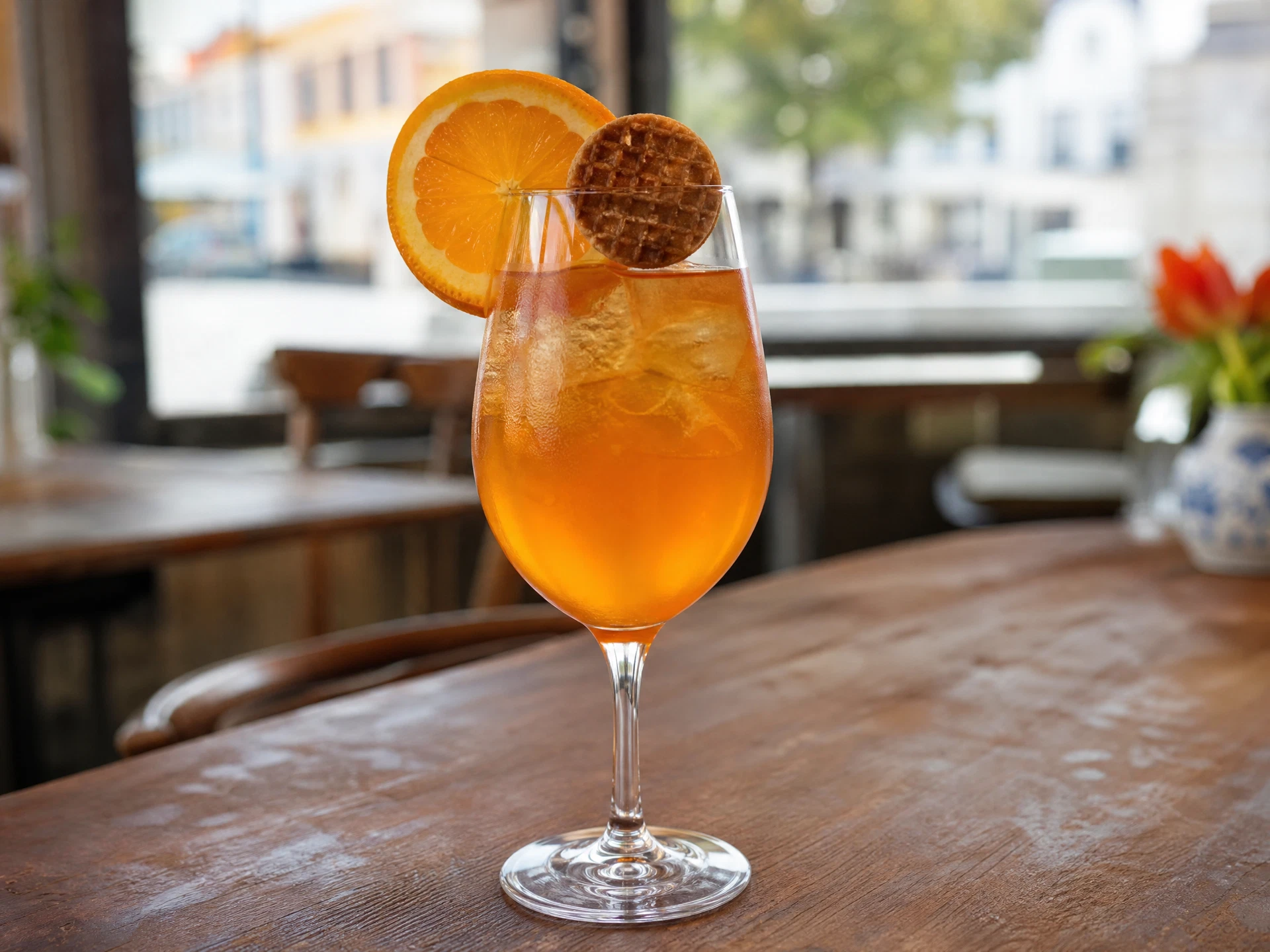
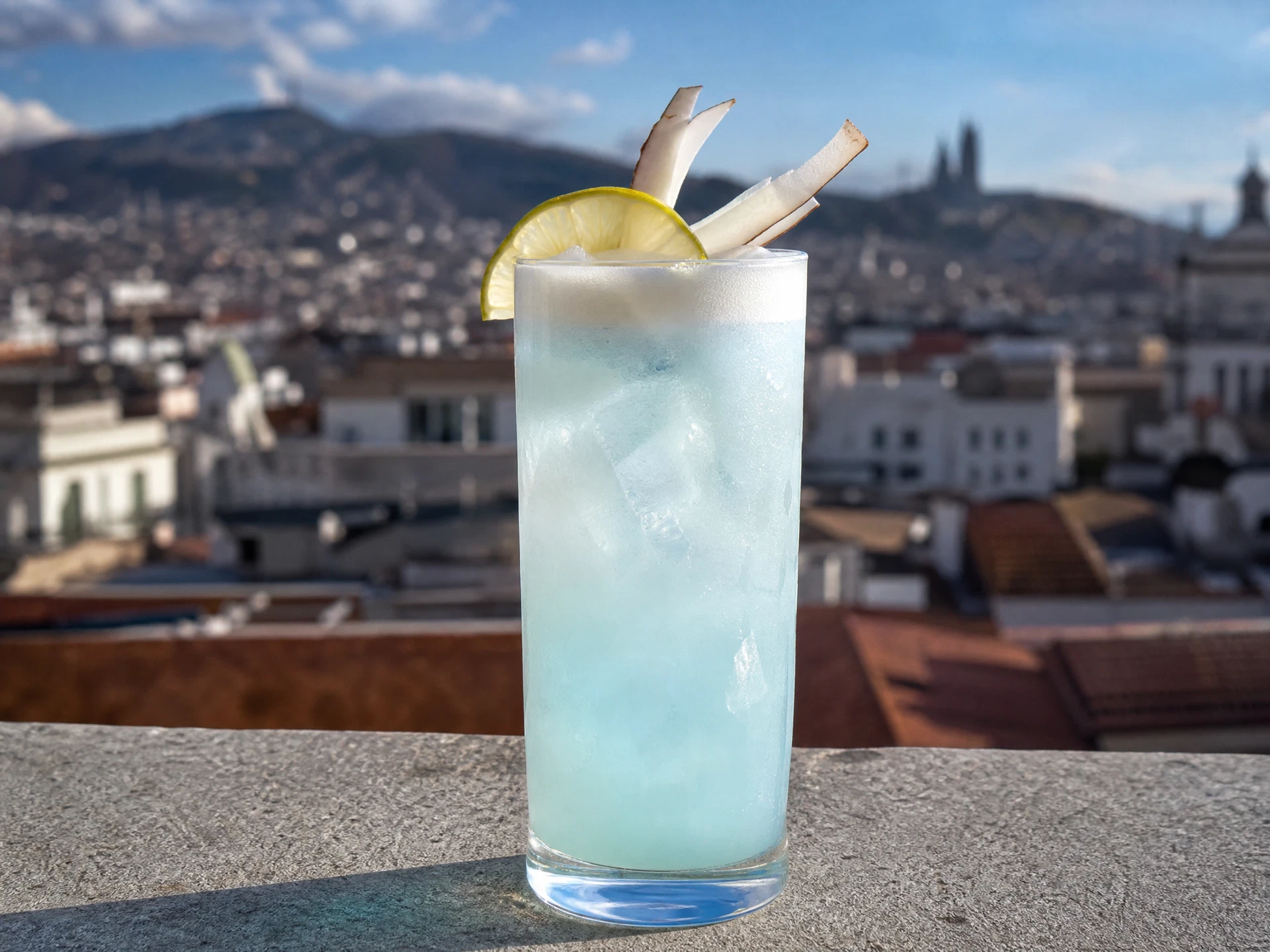
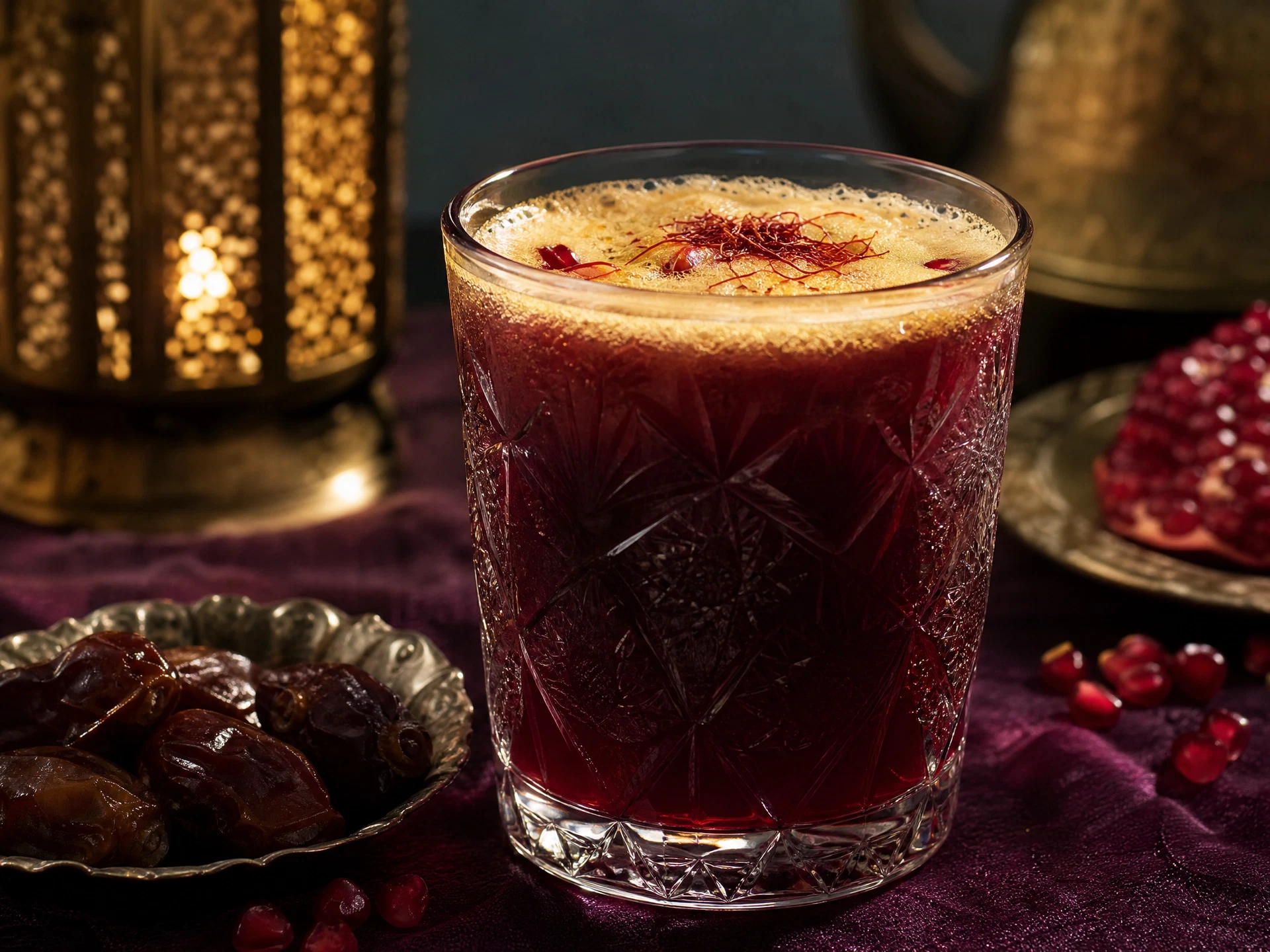
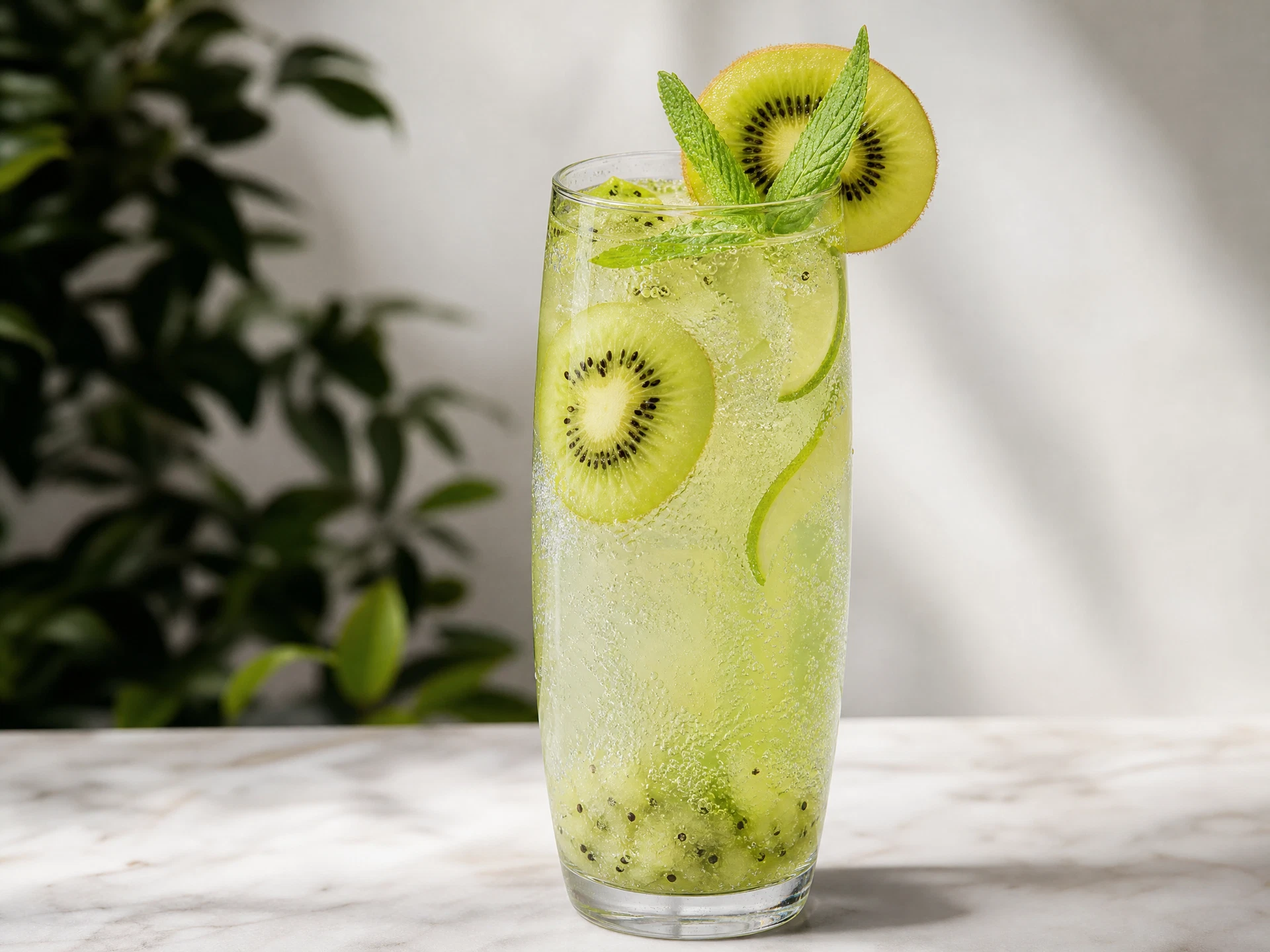
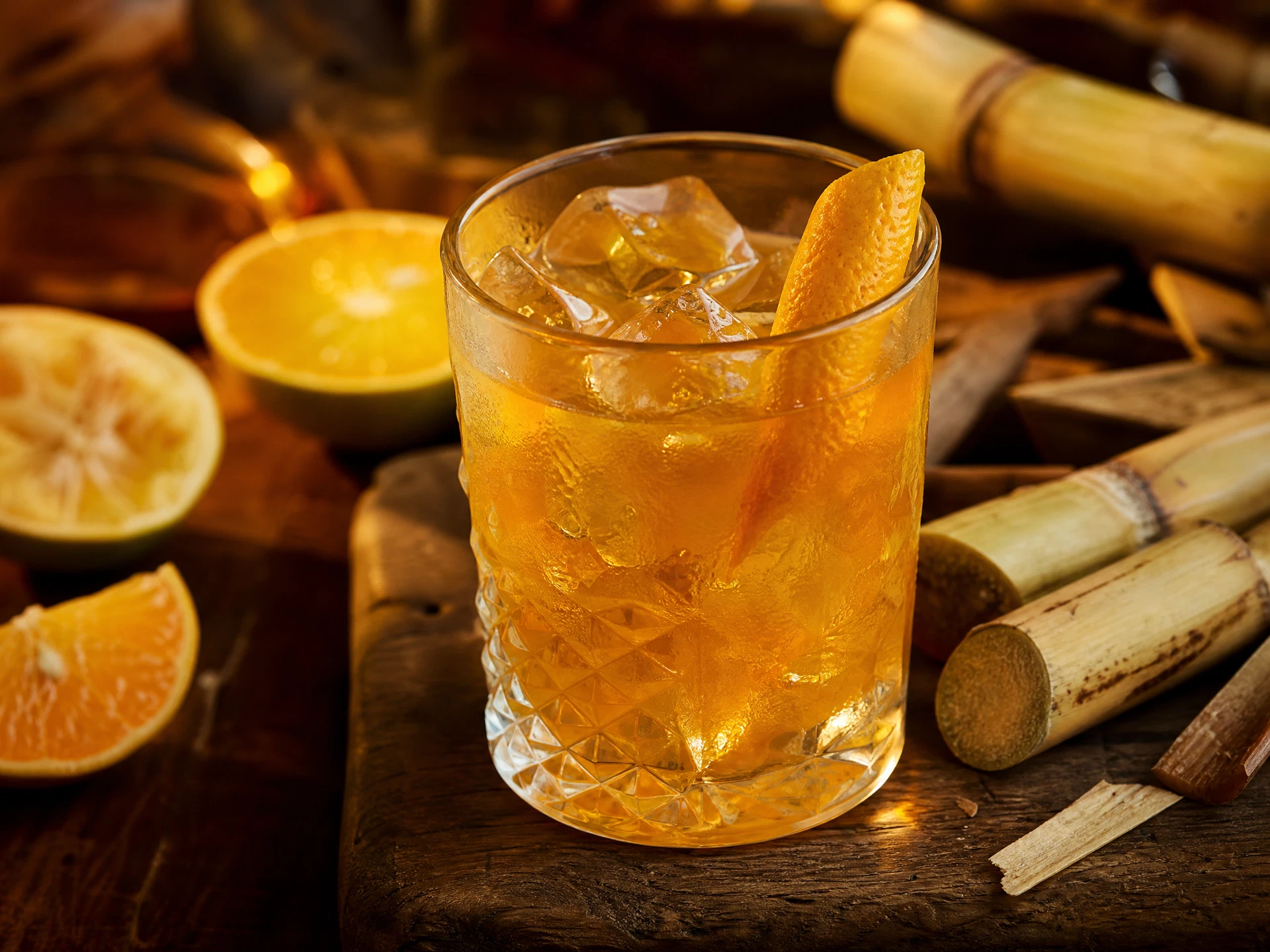
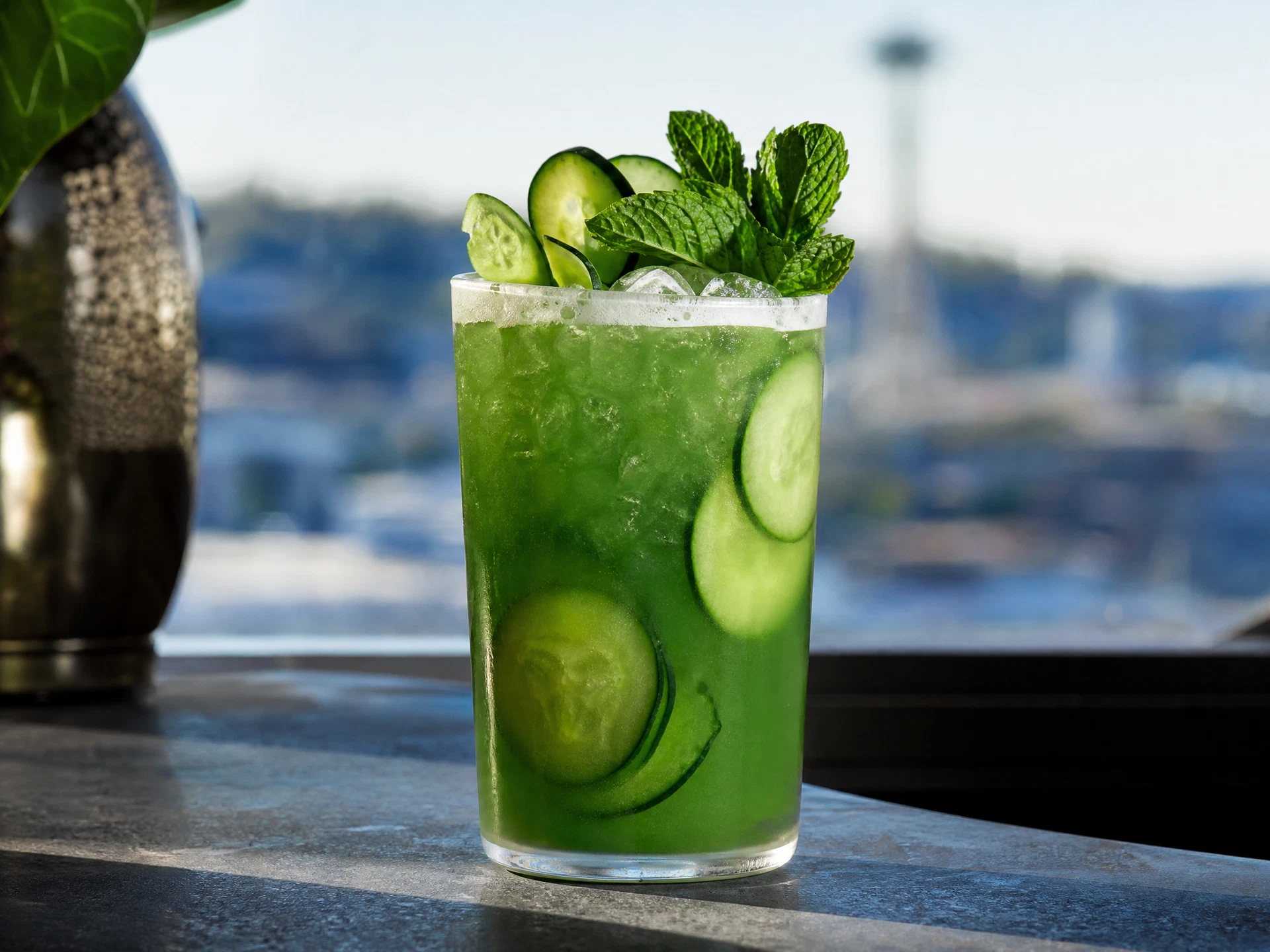
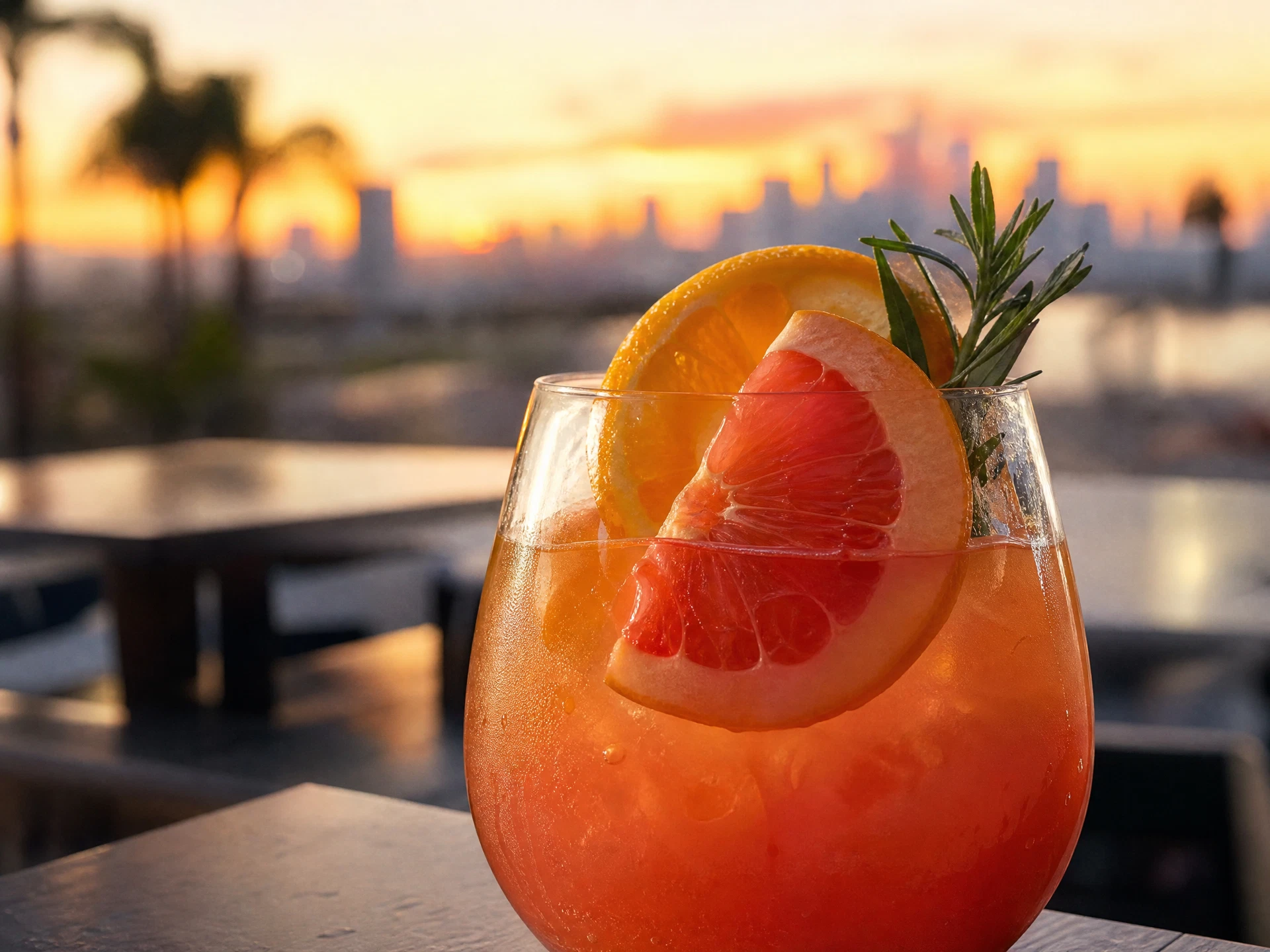
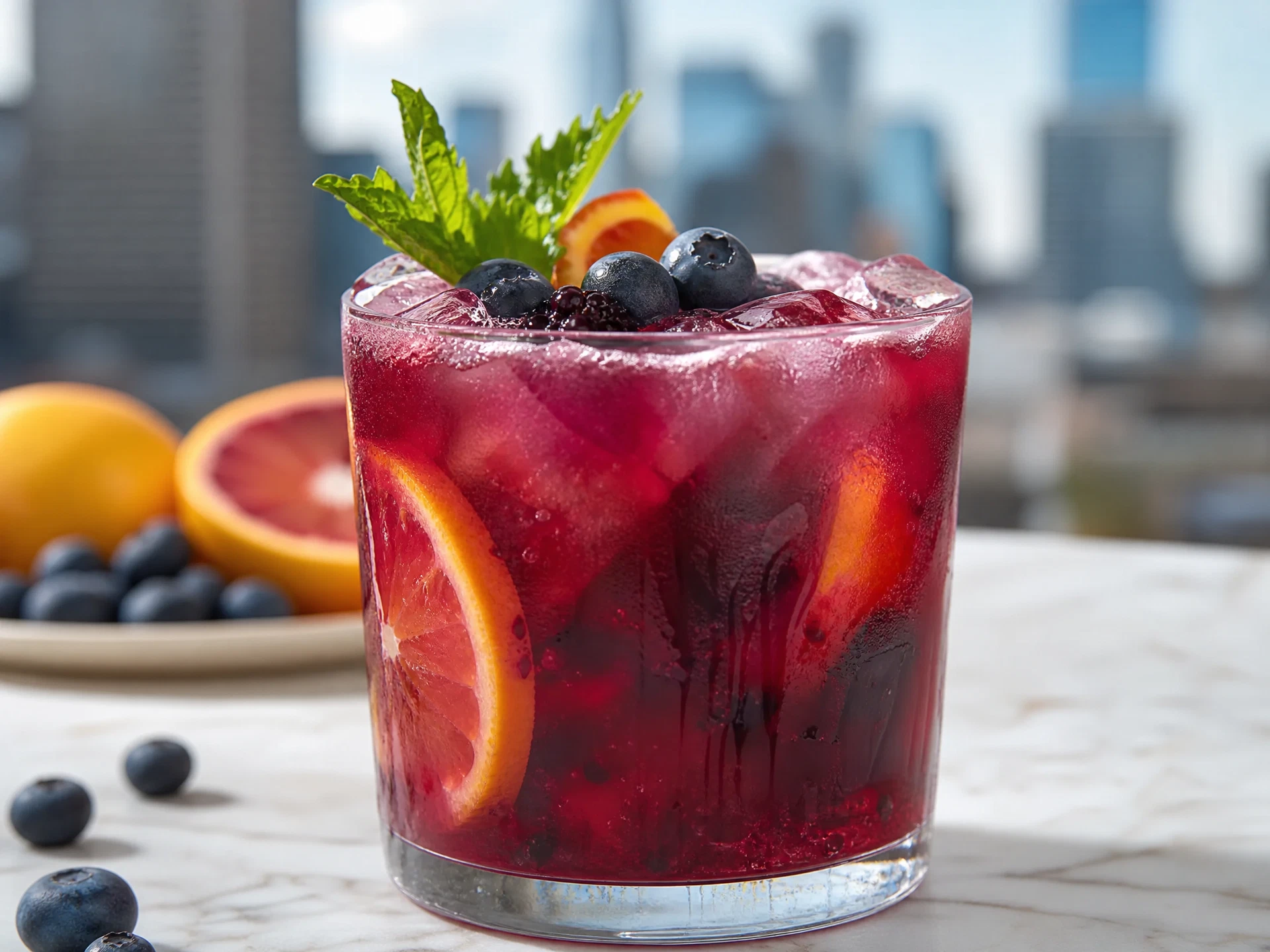
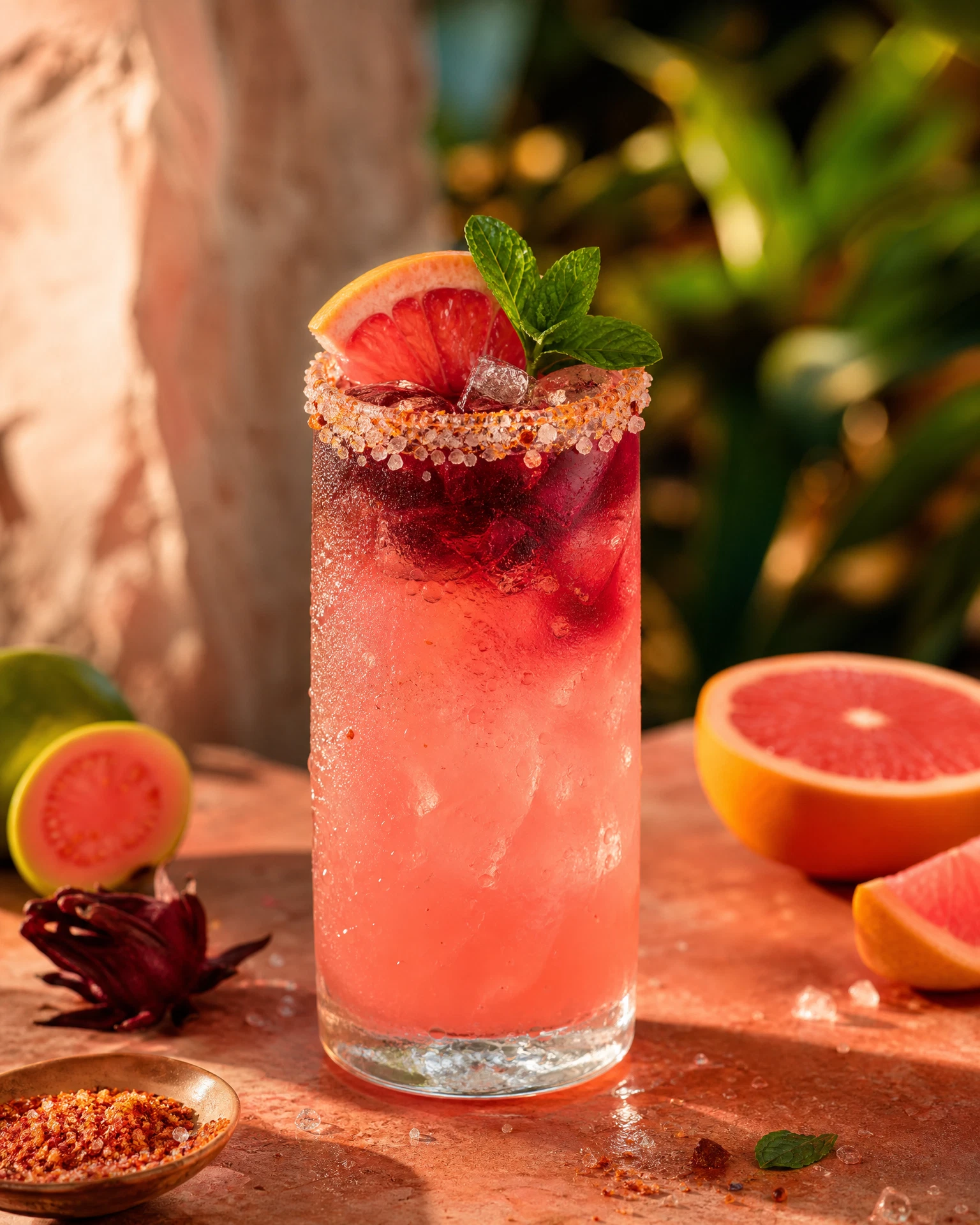
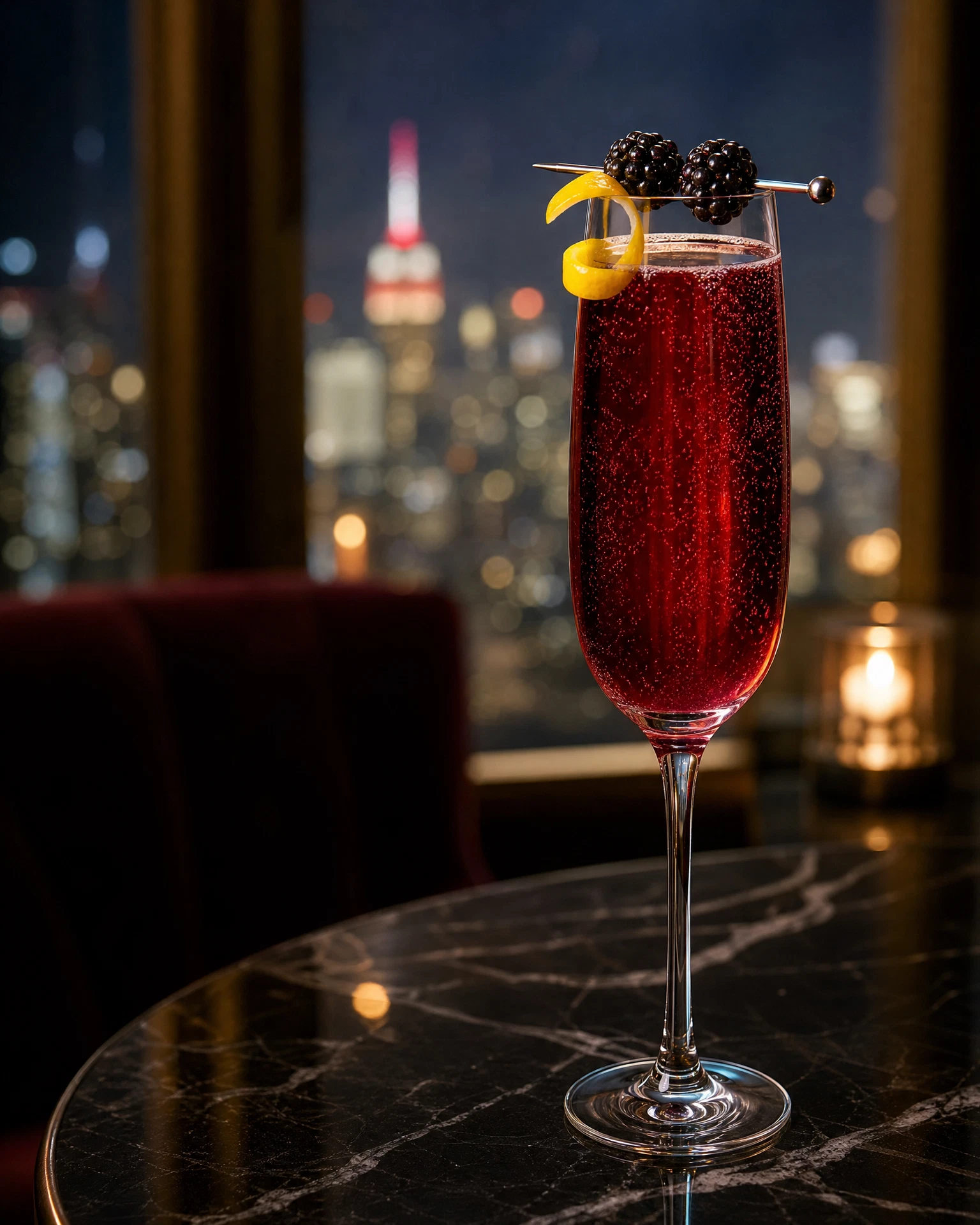
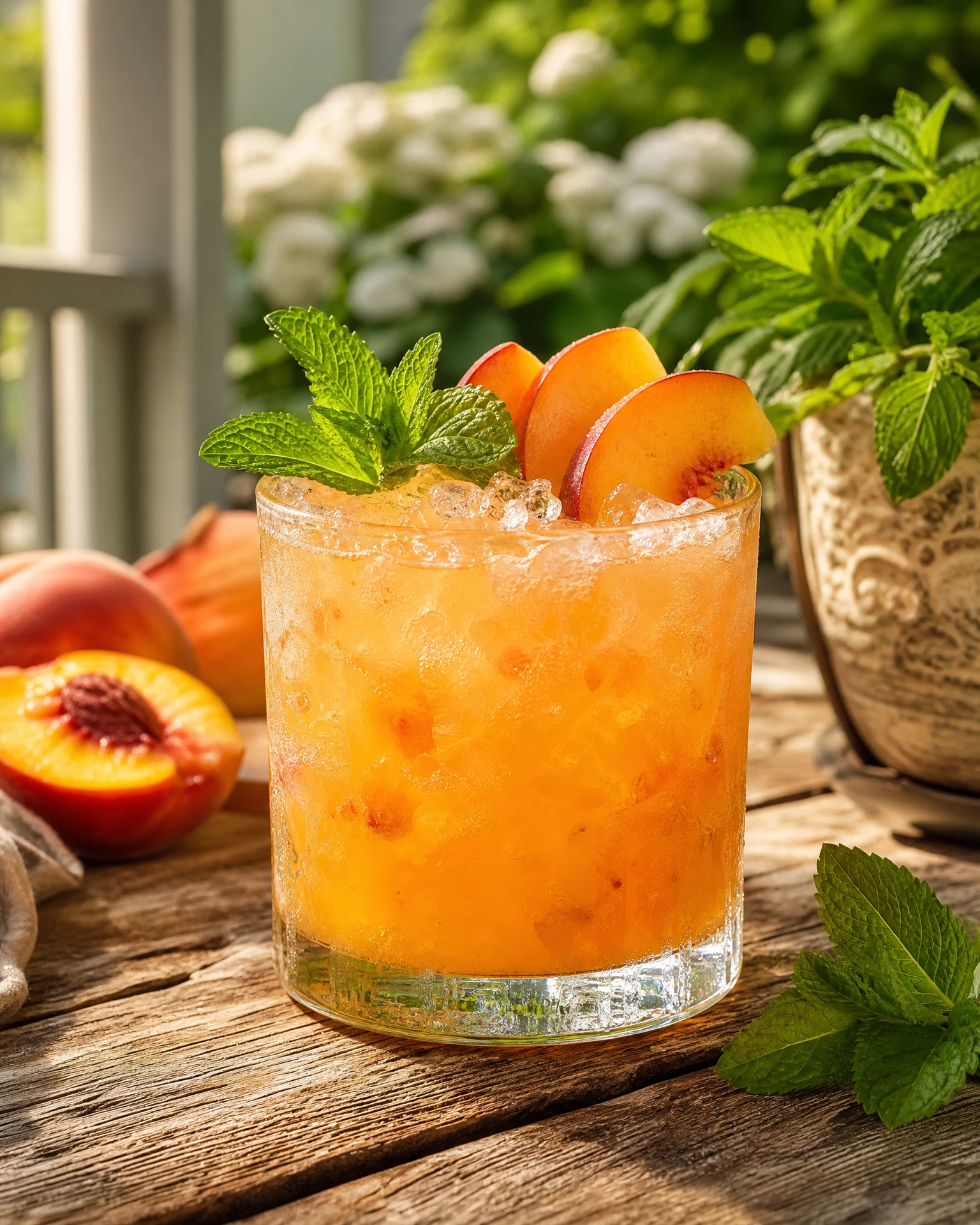
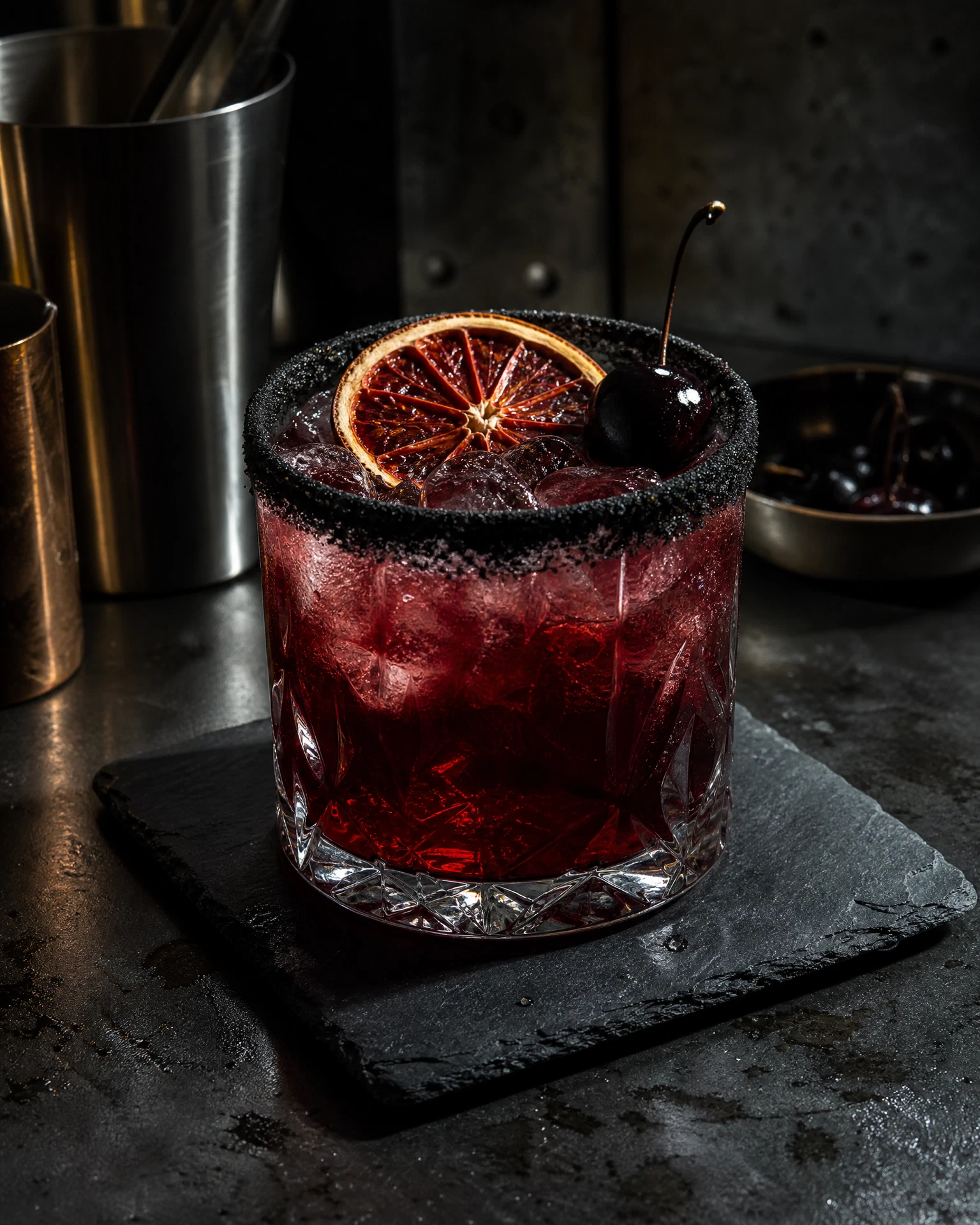
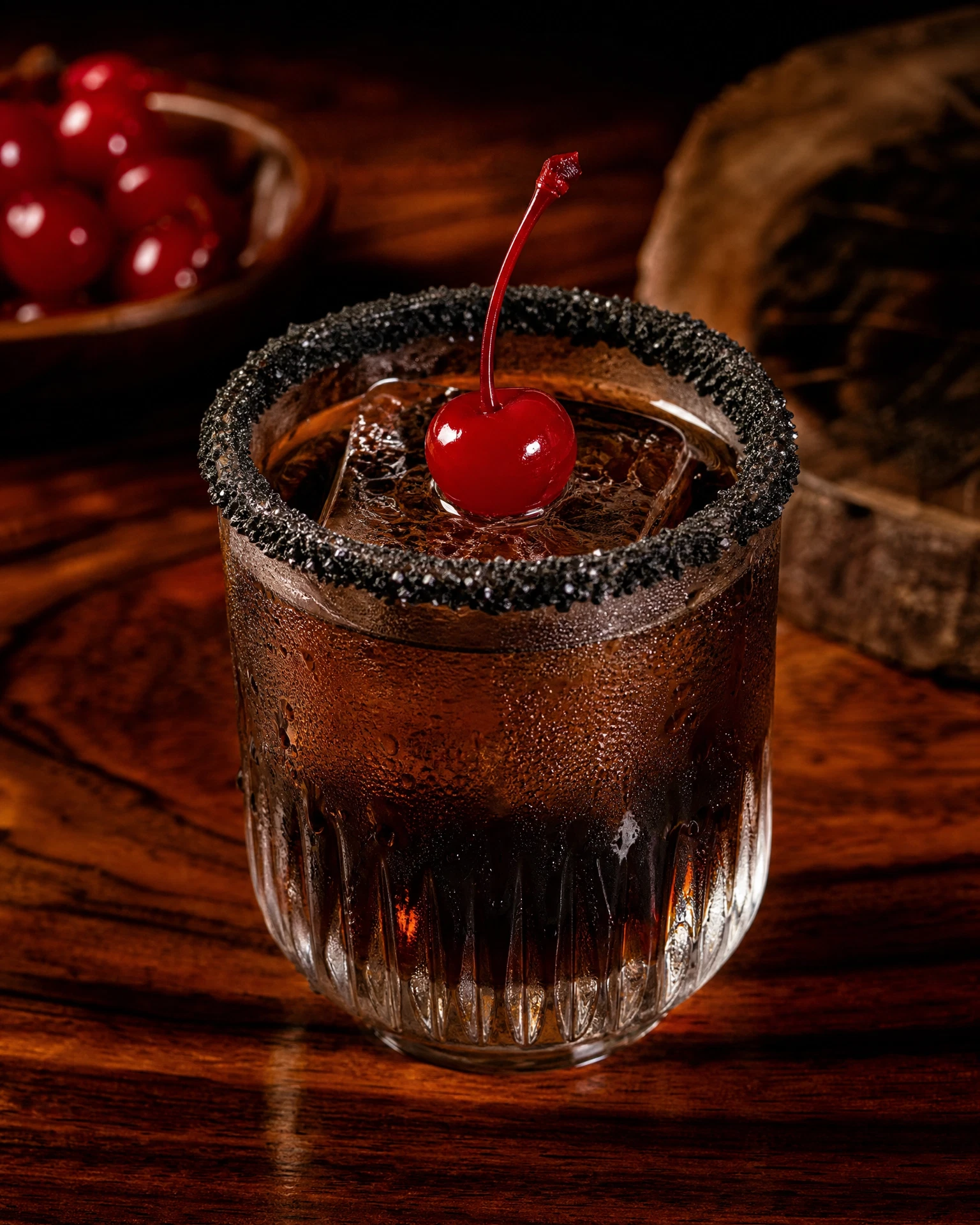
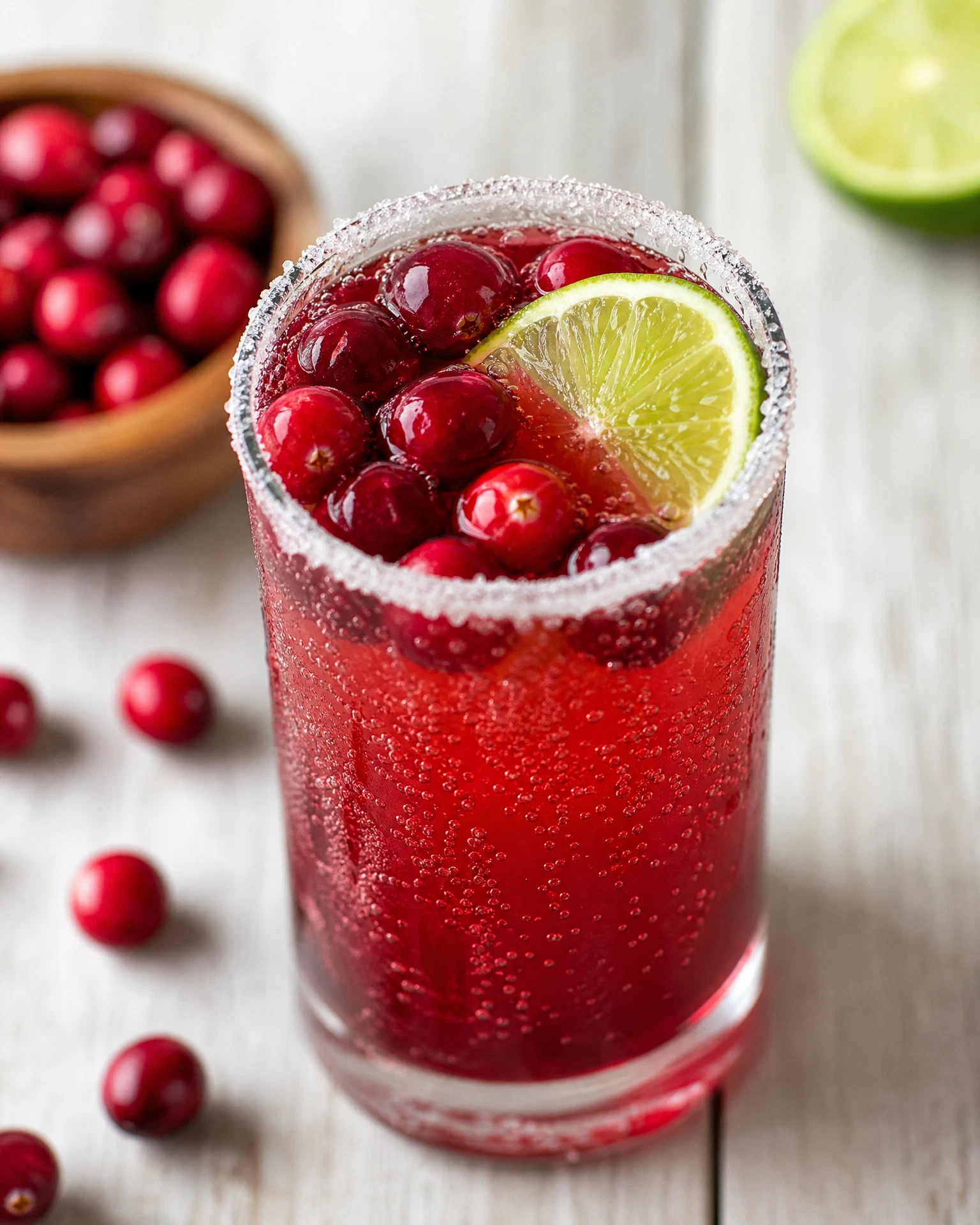
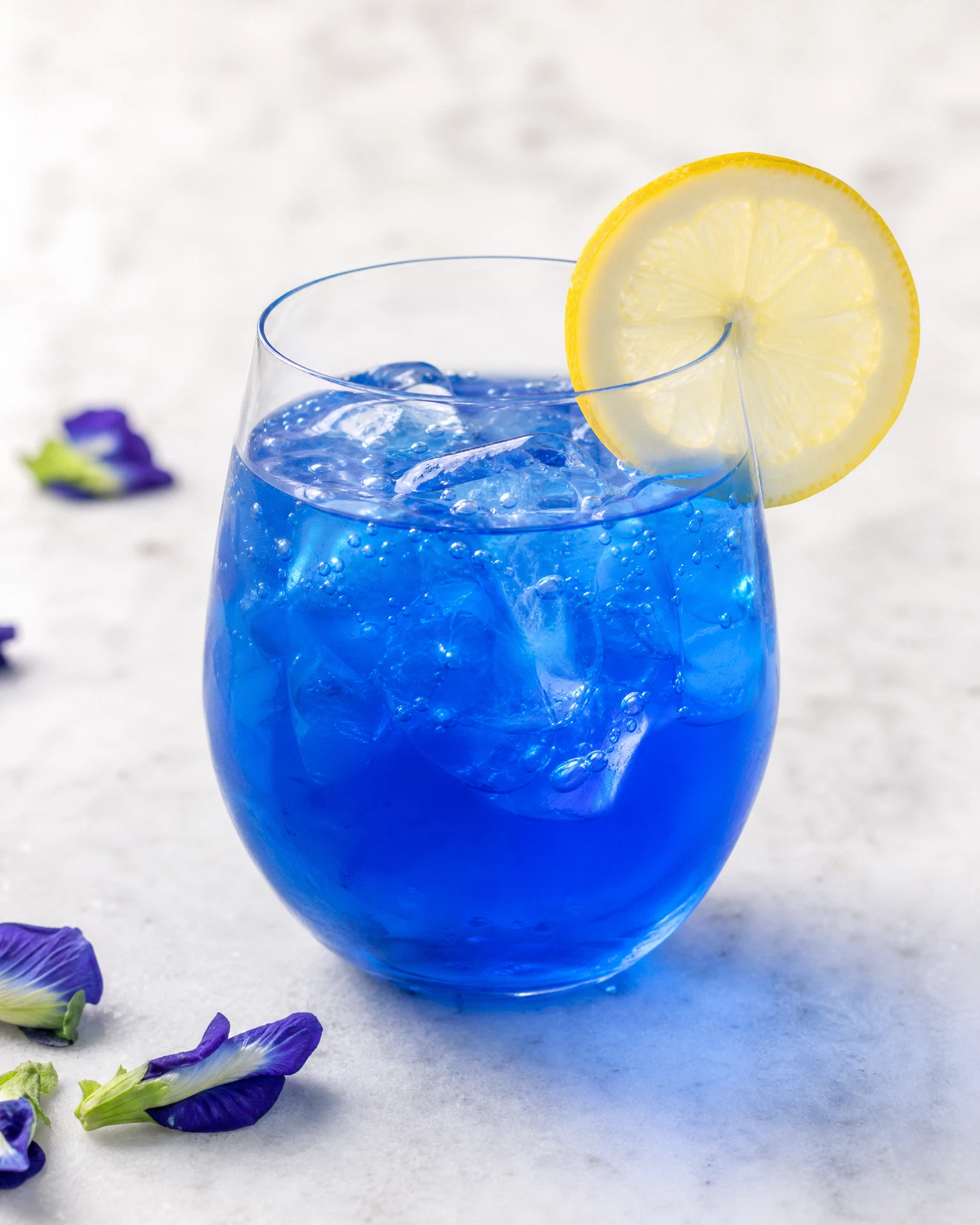
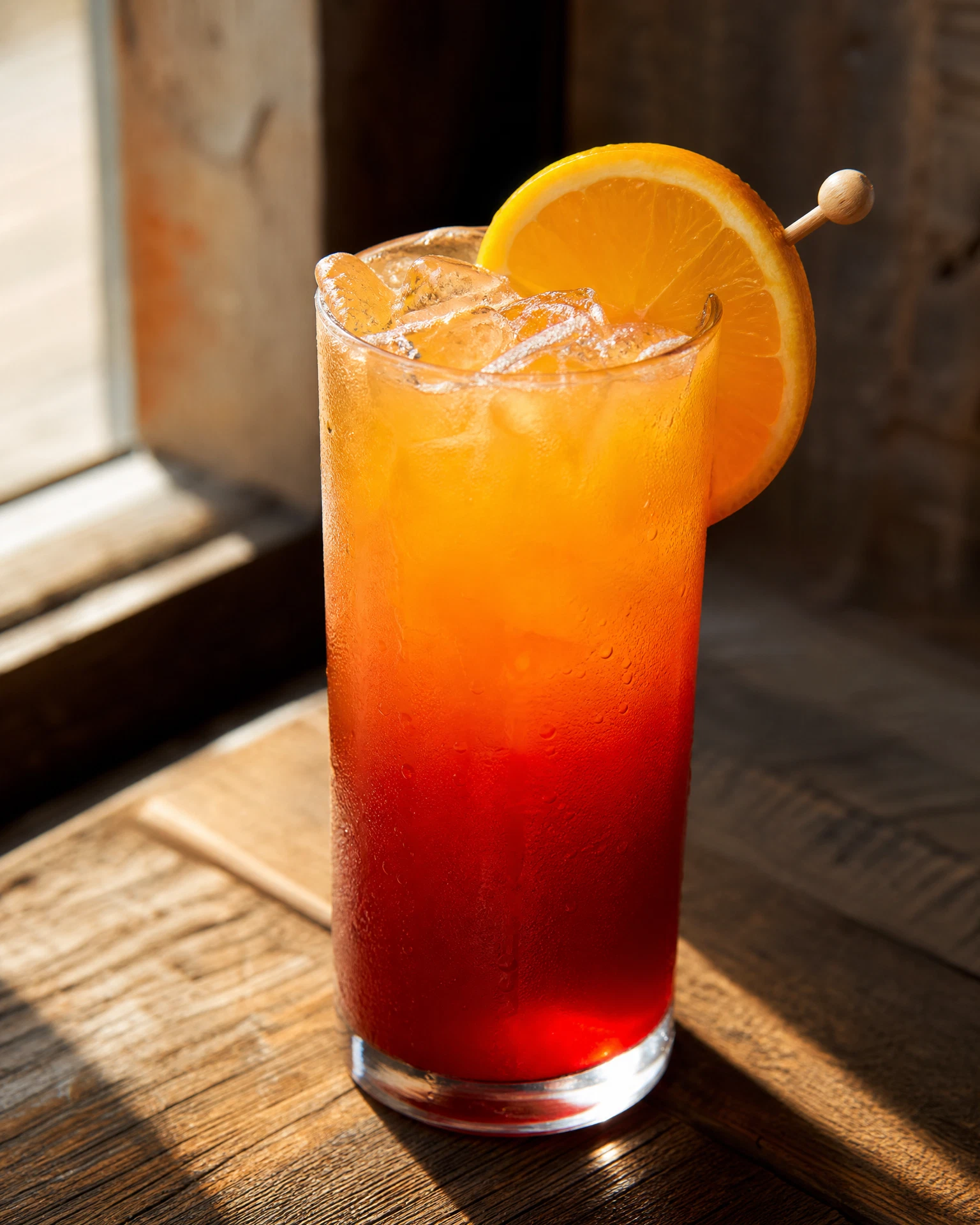
So I created a signature mocktail for every single team in the tournament — 48 drinks, each inspired by the country's iconic flavors, national ingredients, and cultural traditions. The Brazil drink uses passion fruit and coconut. The Japan drink uses cherry blossom and yuzu. The Mexico drink uses cucumber, jalapeño, and lime. Every drink tells a story about where it comes from.
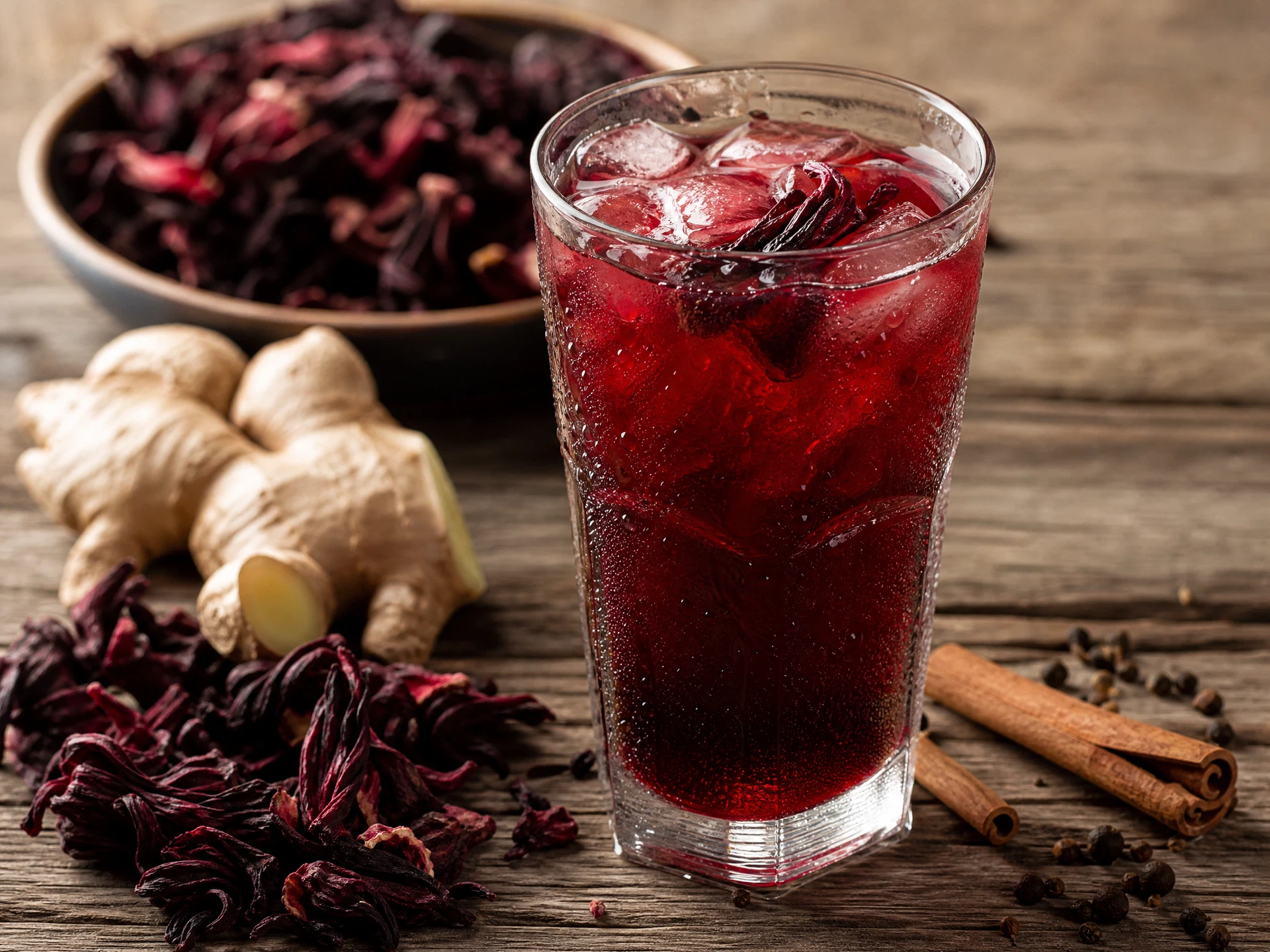
These aren't just random fruit juices with a flag stuck in them. I researched the traditional beverages, the local produce, and the cultural significance of each ingredient. When you make the Ghana Sobolo, you're drinking the same hibiscus drink that Ghanaians have been making for generations. When you make the Argentina Mate Fresco, you're tasting the same yerba mate that fuels Buenos Aires every morning.
"Every drink tells a story about where it comes from. When you make the Ghana Sobolo, you're drinking the same hibiscus drink that Ghanaians have been making for generations."
— Larry Leo
How to Use This Series
Here's how I'd use these recipes during the World Cup:
- Match day drinks: Make the mocktail for whichever team you're rooting for that day. Watching Brazil vs. Germany? Make both drinks and let your guests pick sides.
- Watch party themes: Pick a group and make all 4 team drinks for a tasting flight. It's a conversation starter and a geography lesson in one.
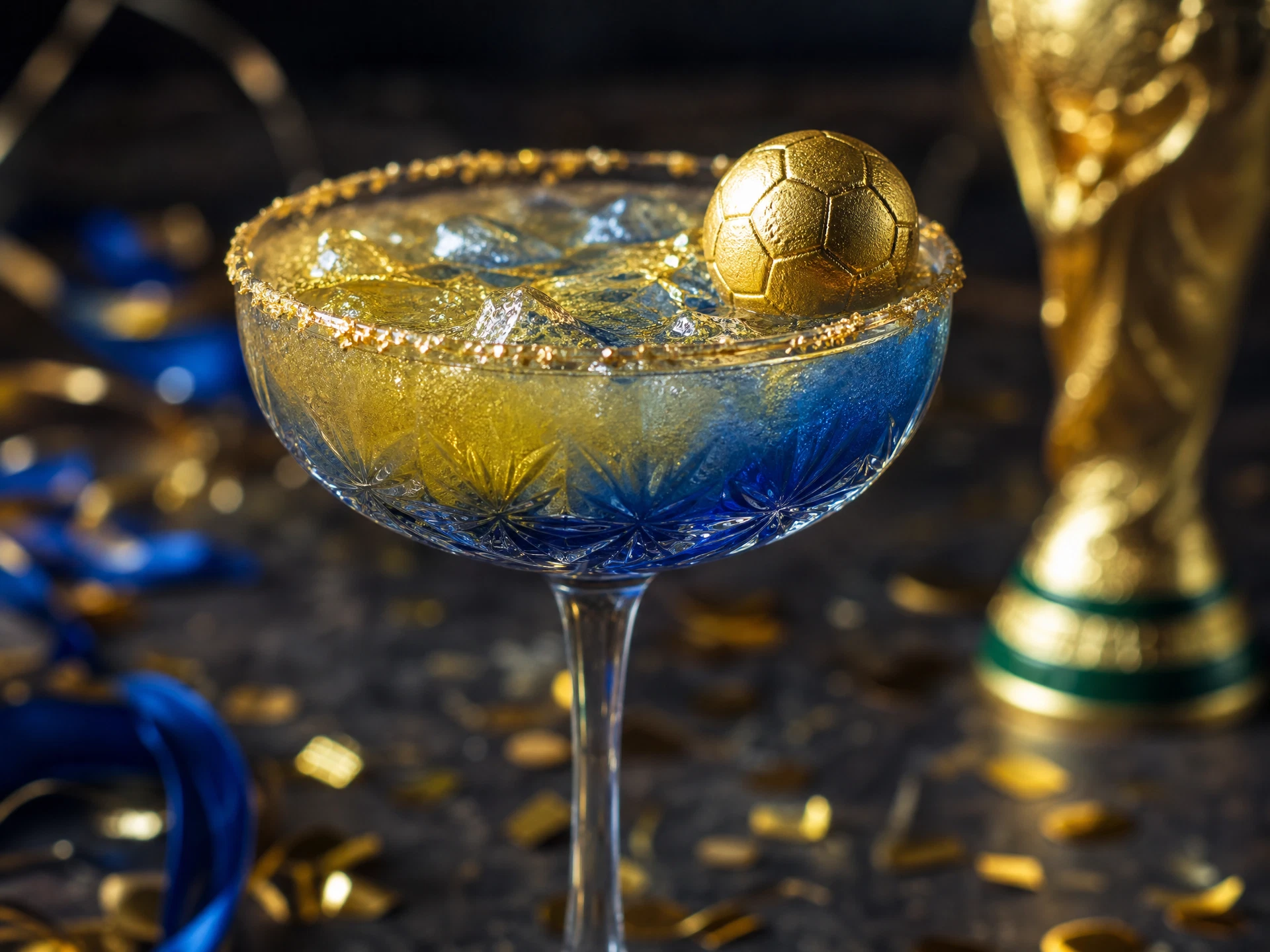
- The Final celebration: Save "The Trophy" — our gold-leafed champagne-style celebration drink — for the final whistle.
- Host city specials: If you're attending a game in person, make the host city drink before you go.