coffeehouse espresso
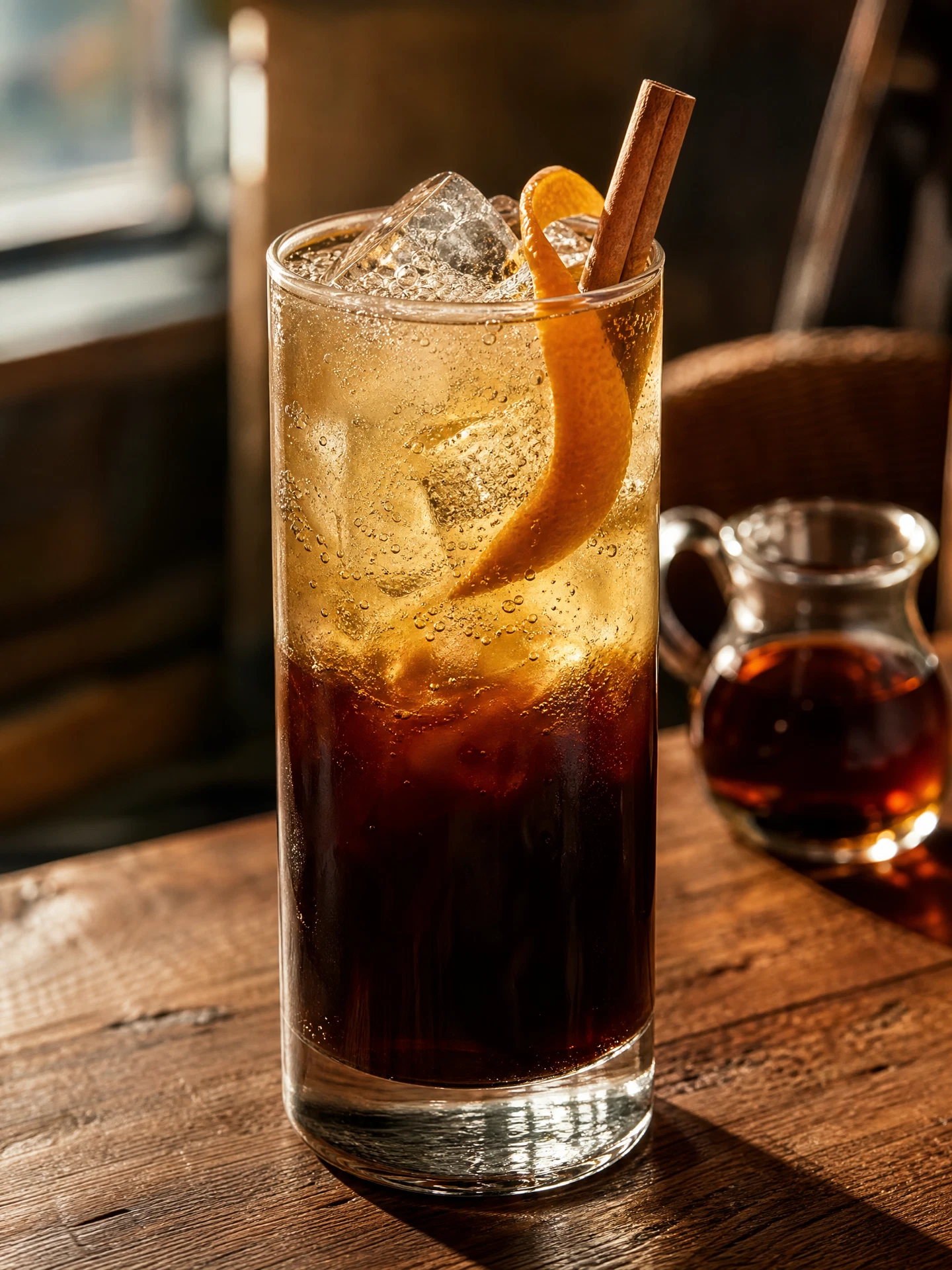
Maple Cold Brew Tonic
A refreshing and sophisticated coffee mocktail that pairs the bold intensity of cold brew with the warm, woody sweetness of maple and the crisp effervescence of tonic water.
5 minutes1Easy
Coffee-forward mocktails with chilled espresso, cold brew, citrus, spice, and sparkle
6 recipes· Perfect for: Weekend Brunch, Afternoon Pick-Me-Up, Dinner Party Dessert Course
A refreshing and sophisticated coffee mocktail that pairs the bold intensity of cold brew with the warm, woody sweetness of maple and the crisp effervescence of tonic water.
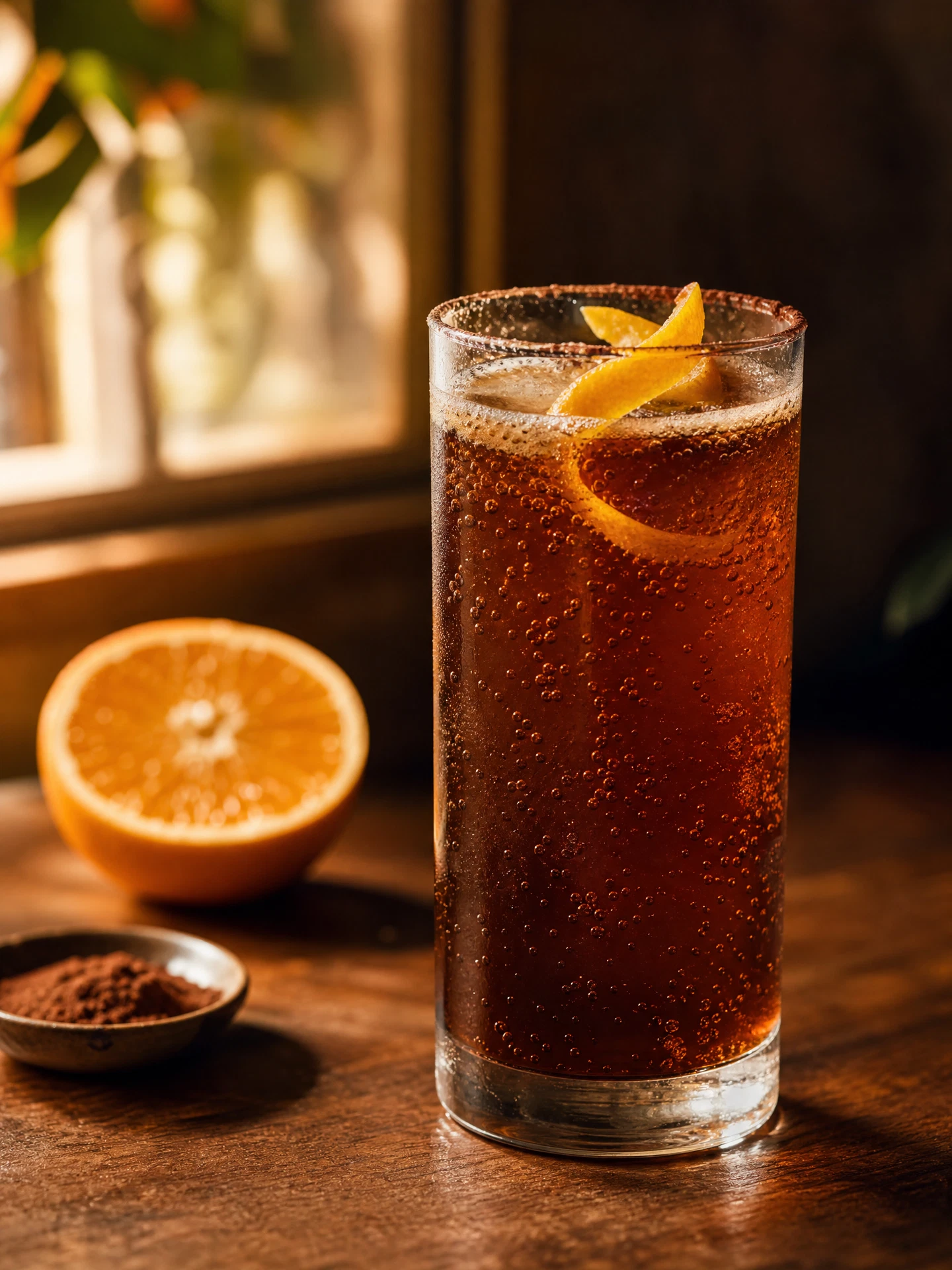
A sophisticated, bubbly coffee mocktail that marries the deep richness of espresso and cocoa with the bright, citrusy lift of fresh orange.
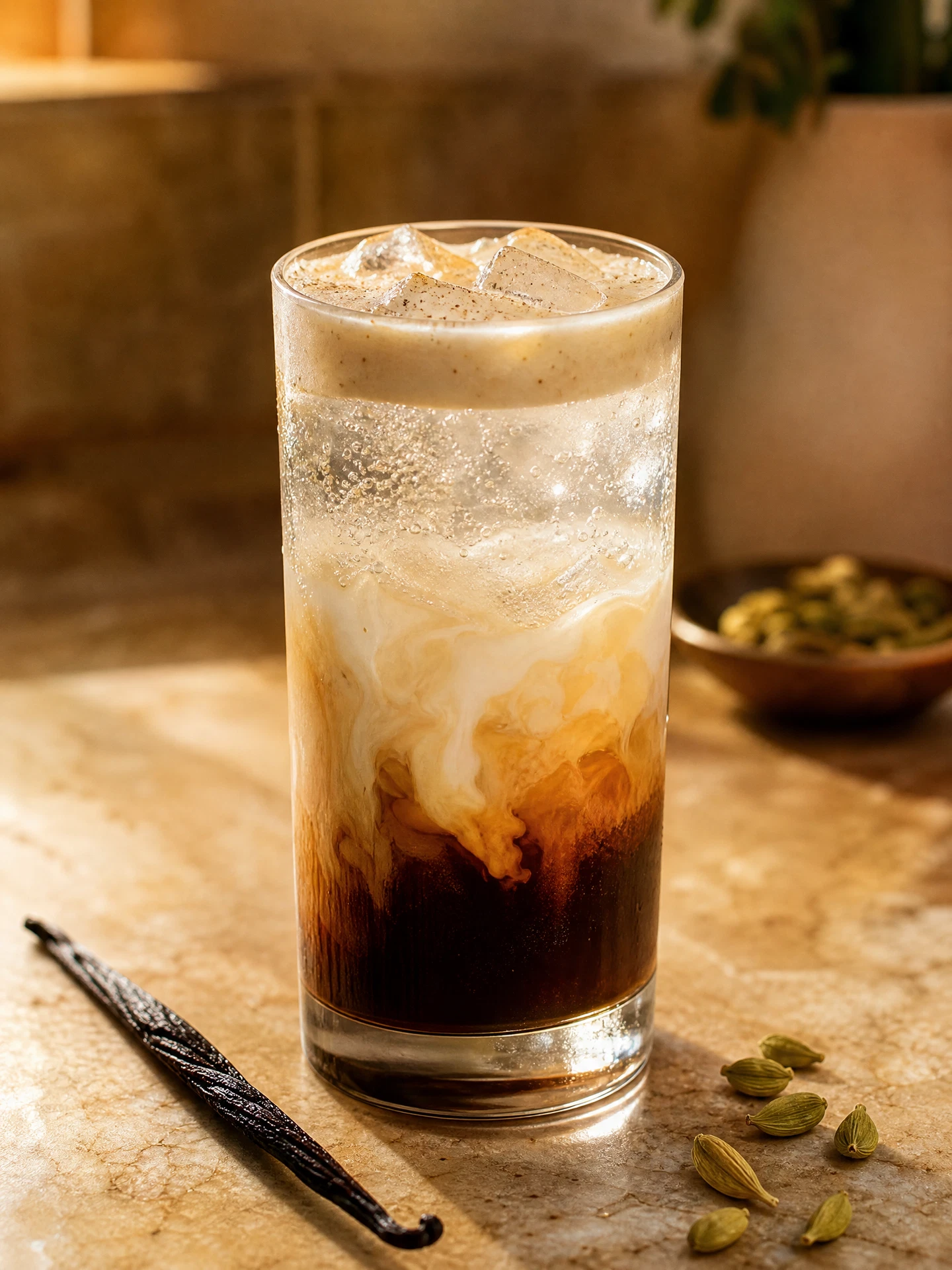
A sophisticated, creamy espresso-based mocktail that balances the floral warmth of cardamom with the sweet depth of vanilla bean paste, lightened with a crisp soda finish.
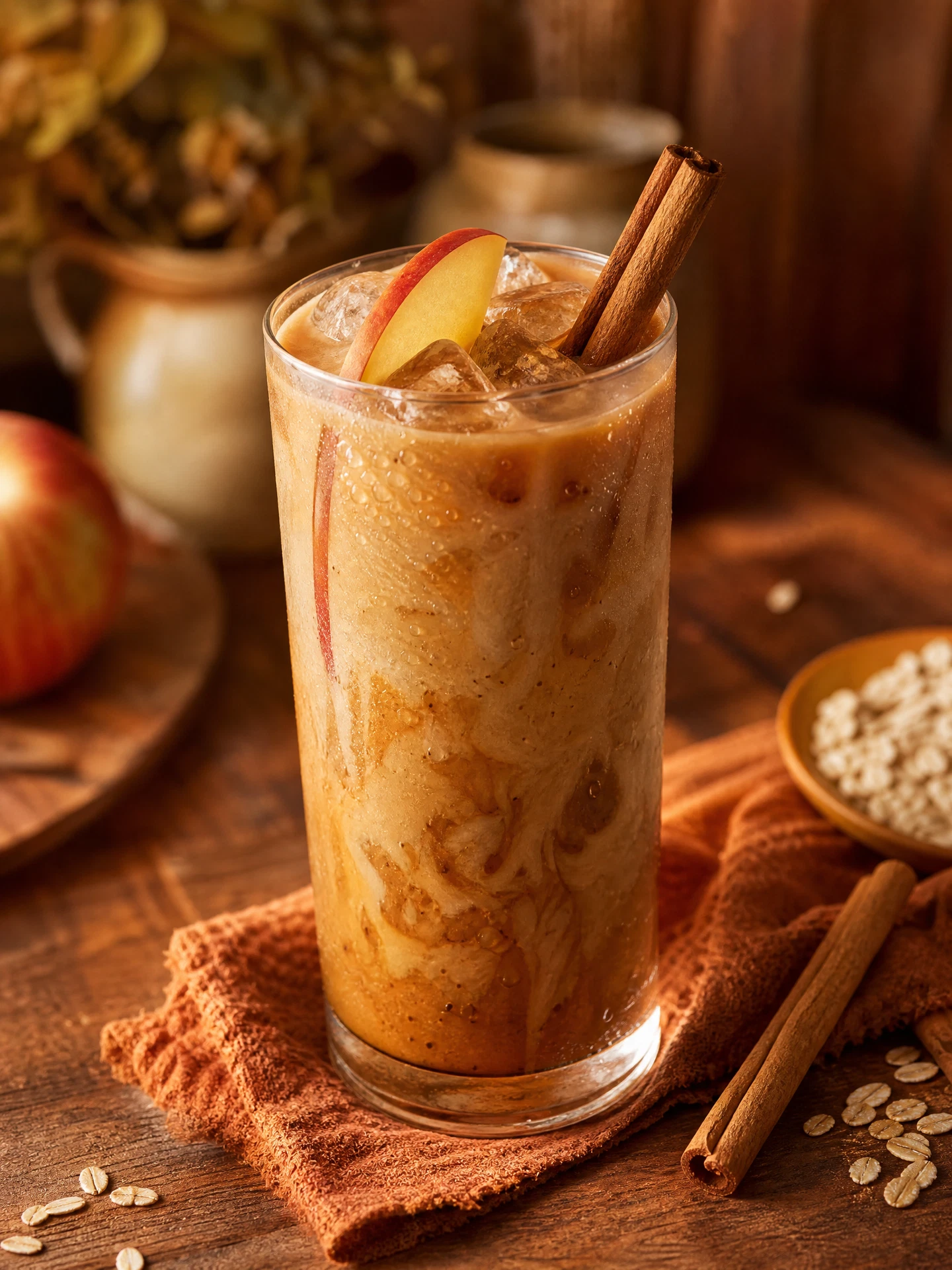
A sophisticated, multi-layered coffee cooler that blends the robust depth of cold brew with crisp apple cider and velvety oat milk, finished with a warm cinnamon-honey syrup and refreshing effervescence.
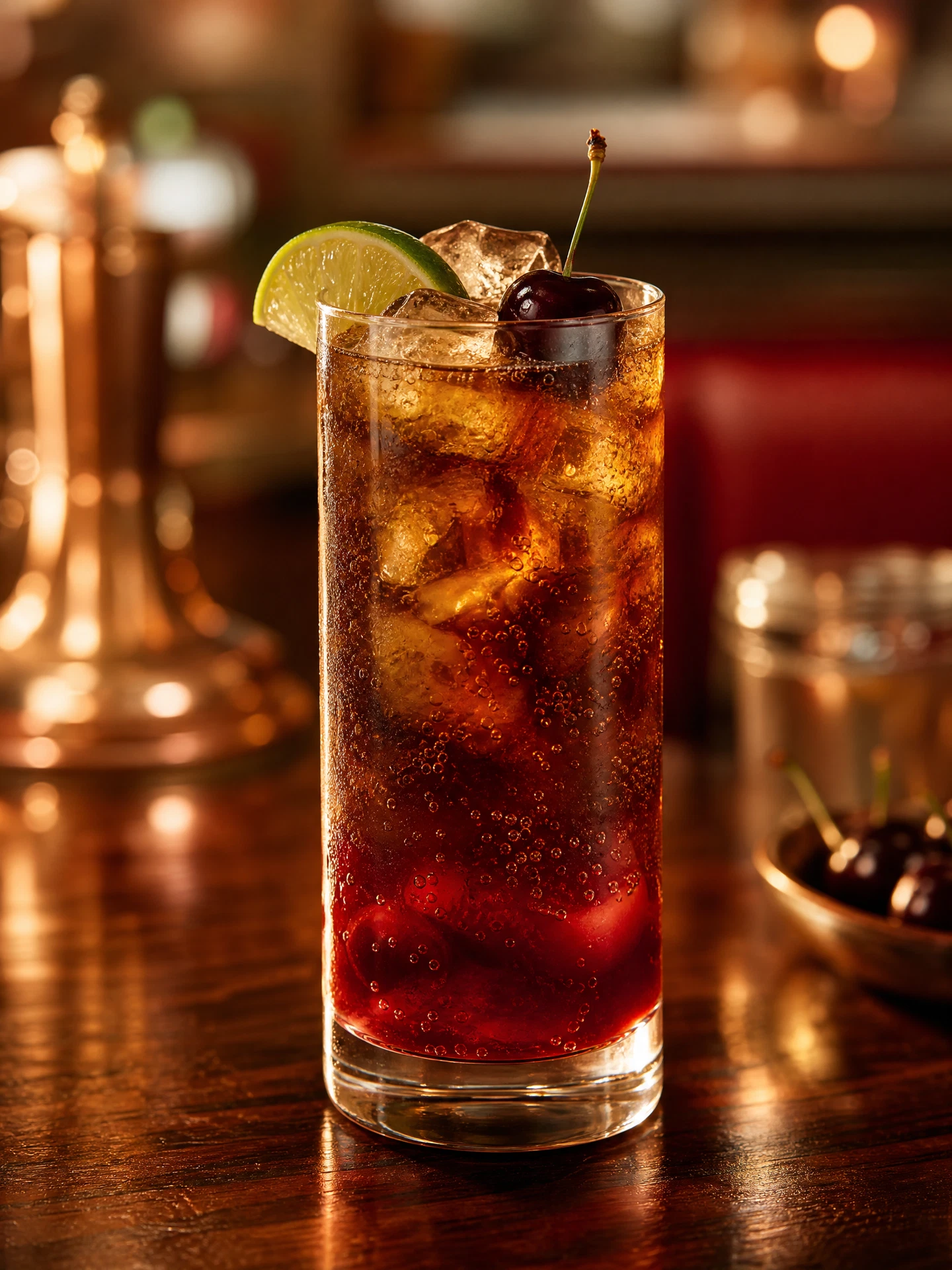
A sophisticated coffee-based mocktail that combines the deep, smooth notes of cold brew coffee with the nostalgic sparkle of cola and the tart brightness of cherry and lime.
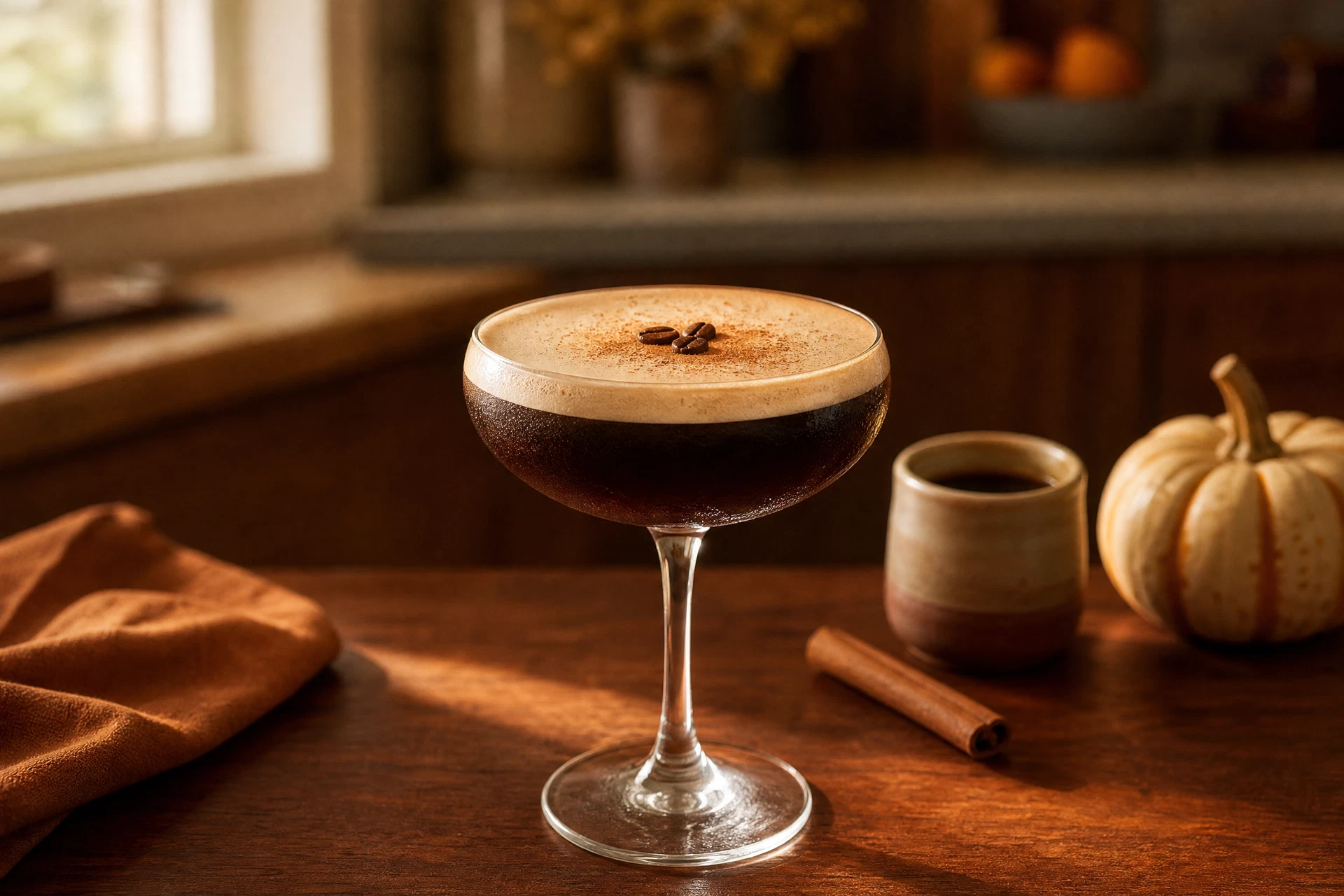
A zero-proof pumpkin spice espresso martini mocktail with chilled espresso, maple, a spiced soy-milk foam, and a cocoa finish.
The landscape of home hosting is evolving, with a growing emphasis on sophisticated, alcohol-free options that provide the same complexity and ritual as traditional cocktails. Among these, coffeehouse and espresso mocktails stand out for their bold flavors, diverse textures, and versatile applications. Whether serving a refreshing midday tonic or a rich, dessert-inspired evening beverage, understanding the technical nuances of coffee mixology is essential for creating balanced results. This guide explores the foundational elements of coffee-based non-alcoholic drinks, from selecting the right brew to managing acidity and ensuring guest comfort through transparent labeling.
The choice between cold brew and espresso significantly impacts the final profile of a mocktail. Cold brew is produced by steeping coarse coffee grounds in room temperature water for twelve to twenty-four hours. This extraction results in a smooth concentrate with lower acidity and a velvety mouthfeel. It is ideal for drinks requiring a stable base that can be batched. When using cold brew, consider the concentration; a 1:4 ratio of coffee to water provides a robust flavor that holds up well when diluted by ice or mixers.
Chilled espresso offers a more intense flavor profile. Extracted under high pressure, espresso captures volatile aromatic compounds and oils absent in cold brew. The crema—the golden foam atop a shot—adds a unique texture. For the best results in chilled applications, espresso should be pulled directly over ice or rapidly chilled. In recipes found at /recipes, the choice between these bases often depends on whether the goal is a refreshing, long drink or a short, punchy beverage.
Acidity is a defining characteristic of coffee, but it can be challenging to balance in a multi-ingredient drink. The level of acidity is influenced by origin, roast level, and brewing method. Light roasts tend to be more acidic and floral, while dark roasts offer bitterness with lower acidity. In coffeehouse mocktails, acidity should be treated as a structural component. If a drink feels flat, a small amount of lemon or lime juice can brighten the coffee’s natural notes. Conversely, if the acidity is overwhelming, a touch of sweetener—such as simple syrup or agave—can provide the necessary counterbalance.
Achieving balance also requires attention to bitterness and sweetness. Coffee’s inherent bitterness can be enhanced by mixers like tonic water or softened by fats like cream or nut milks. A well-constructed mocktail in the /category/coffeehouse-espresso collection will often feature a primary coffee flavor, a secondary modifier like a syrup, and a lengthening agent such as soda or milk. The goal is to create a cohesive experience where no single ingredient dominates the palate.
When hosting, it is vital to provide clear information regarding caffeine content. Many guests may be sensitive to caffeine or prefer to avoid it during evening events. Transparent editorial guidance suggests that all coffee-based mocktails should be clearly labeled as containing caffeine unless decaffeinated options are used. Providing decaf substitutions is a simple way to make a menu more inclusive. Most high-quality espresso and cold brew recipes can be successfully replicated using decaffeinated beans, provided the roast profile remains similar.
For those seeking entirely caffeine-free alternatives that still mimic the roasted, earthy qualities of coffee, ingredients like chicory root or dandelion root can be utilized. These botanicals offer a similar depth and can be brewed in a way that approximates the body of a traditional coffee. When offering these alternatives, ensure that the labeling reflects the specific ingredients used, allowing guests to make informed choices based on their personal preferences.
Texture plays a crucial role in the enjoyment of a mocktail. Carbonation adds a refreshing lift to coffee drinks, transforming them into effervescent treats. The coffee tonic is a classic example, where carbonation helps carry the coffee’s aromatics. When incorporating carbonated elements, add them last and stir gently. Using chilled glassware and high-quality sparkling water or tonic will ensure the best possible experience.
Dairy-free options are standard in home mixology. Plant-based milks such as oat, almond, and coconut each bring unique flavors. Oat milk is favored for its creamy consistency and ability to foam, making it an excellent substitute for dairy in lattes. Almond milk offers a subtle nuttiness that pairs well with lighter roasts, while coconut milk adds a tropical richness. When selecting a dairy-free option, consider how its flavor will interact with the coffee base and any added syrups.
Coffeehouse mocktails are suitable for many occasions, but the style should be tailored to the event. For a brunch setting, focus on bright, refreshing drinks that utilize cold brew, citrus, and carbonation. These can be easily batched in large carafes, allowing the host to spend more time with guests. Providing a variety of garnishes allows guests to customize their drinks and adds a thoughtful touch.
For evening hosting, the focus shifts toward richer, more indulgent beverages. Espresso-based mocktails that incorporate chocolate, spices, or creamy elements serve as an excellent alternative to dessert drinks. These are typically prepared to order to ensure the best texture and temperature. Regardless of the time of day, attention to detail in glassware and temperature management is key. Chilling glasses in advance and using large, slow-melting ice cubes will prevent excessive dilution.
Clear labeling is a hallmark of thoughtful hosting. Use descriptive names that highlight key flavors, and always include a clear alcohol-free designation. This prevents confusion and ensures that all guests feel comfortable selecting a beverage. When batching drinks for larger groups, prepare the coffee base and syrups in advance, but wait to add perishable items like fresh juice or carbonated mixers until just before serving. This ensures that every glass poured is as fresh and vibrant as the first.
Coffeehouse and espresso mocktails offer endless opportunities for creativity. By mastering the fundamentals of selection, balance, and presentation, home hosts can provide sophisticated, inclusive options that elevate any gathering. Explore the diverse recipes available and experiment with different mixers to discover the possibilities within this category.
Bright, refreshing drinks bursting with fresh fruit flavors
🌴Transport yourself to a beach paradise with these island-inspired sips
🎄Festive drinks perfect for celebrations and special occasions
🍸Beloved cocktail flavors reimagined without the alcohol
💧Cool, crisp drinks perfect for hot days and casual sipping
🥥Rich, indulgent drinks with velvety smooth textures
🏙️Signature mocktails inspired by iconic American cities and their flavors
⚾A signature mocktail for every Major League Baseball team, inspired by their home city's flavors and team colors
🍪Girl Scout Cookie-inspired drinks that taste like dessert in a glass
🎆Red, white, and blue mocktails perfect for Independence Day celebrations
🇺🇸A signature mocktail honoring each branch of the United States Armed Forces
⚽48 nations, 48 mocktails — celebrate the historic 2026 FIFA World Cup in North America with a signature drink for every team
⚾Tribute mocktails honoring the history and heroes of America's pastime — including the Negro Leagues legends
🕯️Romantic mocktails crafted for intimate evenings, anniversaries, and special moments for two
💪Flavorful alcohol-free drinks with approximate calorie counts under 50 per serving
🌿Crisp, produce-forward alcohol-free drinks with bright citrus, herbs, tea, and sparkle
🍎Warm orchard-inspired mocktails with apple cider, pear, maple, ginger, and seasonal spice
🏈Crowd-friendly alcohol-free pitchers built for watch parties, tailgates, and easy serving
🍁Ornate, alcohol-free drinks for Friendsgiving tables, fall potlucks, and holiday hosting
🍂Seasonal non-alcoholic drinks for Thanksgiving dinners, Friendsgiving, and fall gatherings
🎃Spooky, family-friendly alcohol-free drinks for Halloween parties, trick-or-treat nights, and fall gatherings
🍯Sweet-heat zero-proof drinks built with hot honey syrup, citrus, fruit, and refreshing bubbles
🍹Guided alcohol-free tasting boards with small pours and thoughtfully contrasting flavors
🫖Bright, grown-up alcohol-free drinks built with chilled tea, fruit, botanicals, and fresh bubbles
🏙️Independent city-flavor mocktails for football watch parties, with no team, league, or event affiliation